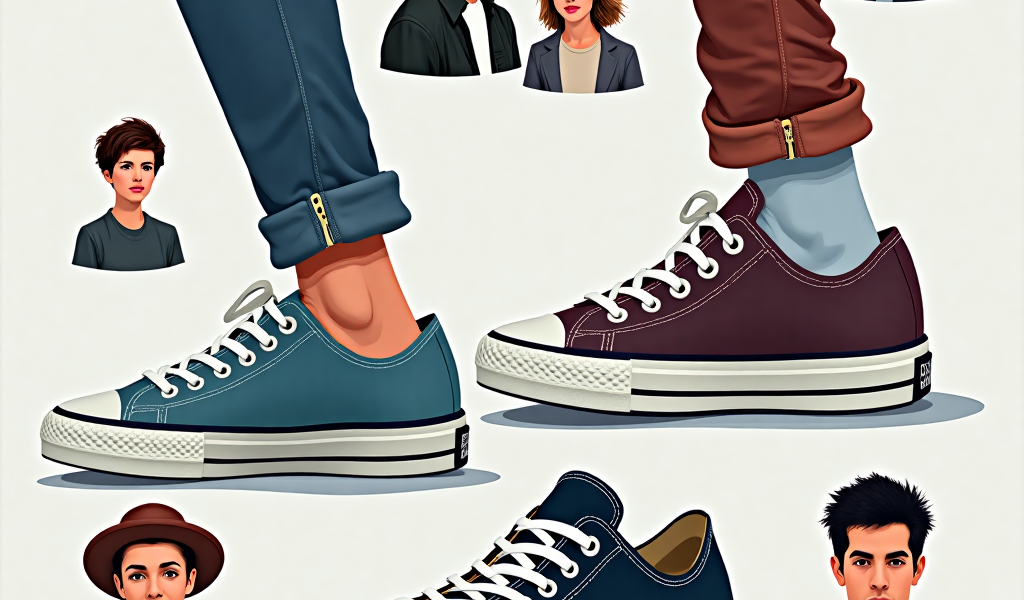
The Art of Sole Expression: Your Ultimate Guide to Customizing Plain Sneakers
In a world increasingly saturated with mass-produced fashion, the desire for individuality has never been stronger. We crave unique pieces that reflect our personality, tell our story, and stand out from the crowd. While haute couture might be out of reach for many, there’s a surprisingly accessible and deeply satisfying avenue for personal expression right at our feet: customizing plain sneakers.
Plain canvas or leather sneakers – those blank slates of white, black, or neutral tones – are more than just footwear; they are potential masterpieces waiting to happen. They offer an unparalleled canvas for creativity, allowing anyone, regardless of artistic prowess, to transform the ordinary into something extraordinary. This isn’t just about fashion; it’s about empowerment, creativity, and the joy of wearing something truly one-of-a-kind.
Whether you’re a seasoned artist, a crafty DIY enthusiast, or someone simply looking to dip their toes into the world of personalization, customizing sneakers unlocks a world of possibilities. It’s a journey of turning imagination into tangible reality, stitch by stitch, stroke by stroke. Let’s dive into the vibrant world of sneaker customization and discover how you can unleash your inner designer.
Why Customize? Beyond Just Looking Cool
Before we get into the ‘how,’ let’s explore the compelling ‘why’ behind sneaker customization. The benefits extend far beyond just creating a unique pair of kicks:
- Unmatched Personalization: This is the core appeal. Your sneakers become a direct reflection of *you* – your interests, your style, your mood, or even a specific memory. They tell your story in a way no off-the-shelf pair ever could.
- Creative Outlet: Customizing provides a fantastic, hands-on creative outlet. It engages different skills – painting, drawing, designing, sewing – offering a break from digital screens and a chance to make something tangible.
- Cost-Effectiveness: Starting with a relatively inexpensive pair of plain sneakers and using basic art supplies, you can achieve a high-fashion, bespoke look for a fraction of the cost of designer collaborations or limited editions.
- Sustainability Angle: Breathing new life into an old pair of plain sneakers through customization is a form of upcycling. It reduces waste and extends the lifespan of your footwear, aligning with more conscious consumption habits.
- Sense of Achievement: Completing a customization project, no matter how simple or complex, brings a profound sense of accomplishment and pride. You literally walk around wearing your success.
- Community and Connection: The sneaker customization community is vibrant and welcoming. Sharing techniques, showcasing creations, and appreciating others’ work fosters connection and inspiration.
Preparation is Key: Setting the Stage for Success
Jumping straight into painting might be tempting, but proper preparation is crucial for ensuring your custom design not only looks great initially but also stands the test of time (and footsteps). Rushing this stage often leads to smudged designs, peeling paint, and frustration.
Choosing Your Canvas: The Perfect Plain Sneaker
Not all sneakers are created equal for customization. Consider these factors:
- Material: Canvas (like classic Converse or Vans) is highly porous and generally the easiest to paint on. Leather requires specific preparation (deglazing) and paints. Synthetic leathers and meshes can be trickier; always test paints first on an inconspicuous area.
- Color: White is the ultimate blank canvas, offering the truest color representation for paints. Black or dark colors can be used for dramatic effects but limit lighter color applications. Consider how the base color will interact with your design.
- Style: High-tops offer more surface area but can be harder to handle. Low-tops are easier to work on. Consider the silhouette and how your design will flow across it.
- Condition: Brand new sneakers are ideal. If using an older pair, ensure they are thoroughly cleaned and any existing stains or damage won’t interfere with your design.
Gathering Your Arsenal: Essential Tools and Materials
Having the right tools makes the process smoother and the results better:
- Cleaning Supplies: Mild soap, water, soft brush/cloth, and possibly rubbing alcohol (for tougher grime or deglazing leather).
- Protection: Painter’s tape (low-tack, designed for delicate surfaces), masking film, or cardboard inserts to protect areas you *don’t* want to paint (like soles, logos, laces, eyelets).
- Surface Prep: For canvas, often just cleaning is sufficient. For leather, a deglazer might be needed. A primer specifically for shoes or multi-surface use can enhance paint adhesion, especially on tricky surfaces or for complex designs.
- Art Supplies: This depends on your chosen technique (see next section!). Think acrylic paints, fabric markers, paint pens, stencils, brushes (various sizes), fine liners, etc.
- Setting/Fixing: Heat source (hair dryer or heat gun) and a fabric medium additive (mixed with acrylic paint) or a dedicated finisher/sealer (matte, satin, or gloss) to protect your design.
- Extras: Pencil for sketching, eraser, palette for mixing paints, water cup, rags for spills, and tweezers for intricate work or adding embellishments.
The Crucial Prep Steps
Now, let’s get those sneakers ready:
Unleashing Creativity: Techniques for Transforming Your Kicks
This is where the magic happens! There are numerous ways to customize, ranging from simple to complex. Choose based on your skill level, desired outcome, and patience.
Painting: The Classic Canvas Approach
Acrylic paint is the most versatile and popular medium. For best results:
- Use Fabric Medium: Mix acrylic paint with a fabric medium (like Textile Medium by brands such as Golden or Liquitex). This makes the paint more flexible and less prone to cracking, and it helps the paint bond to the fabric. Follow the ratio instructions on the medium.
- Thin Layers: Apply paint in thin, even layers. Thick layers will crack and peel. Allow each layer to dry completely before applying the next.
- Brush Control: Use appropriate brush sizes. Small, fine-tipped brushes are essential for details and outlines.
- Heat Setting: After the paint is COMPLETELY dry, heat-set it using a hair dryer or heat gun (use low/medium heat and keep moving to avoid scorching). This helps cure the paint and fabric medium.
- Seal the Deal: Once the design is finished and heat-set, apply 1-2 thin, even coats of a finisher/sealer. Matte is popular for a classic look, gloss adds shine and protection, satin offers a middle ground. Ensure the sealer is compatible with your paint and suitable for flexible surfaces.
Markers and Pens: Precision and Convenience
Fabric markers and paint pens offer excellent control, especially for line work, lettering, and intricate patterns:
- Fabric Markers: Brands like Sharpie (fabric markers), Posca, or Molotow offer vibrant, permanent colors designed for textiles. They are great for drawing and coloring smaller areas.
- Paint Pens: These provide opaque coverage and come in various tip sizes. Excellent for outlines, details, and filling in small sections.
- Application Tips: Test on a hidden spot first. Shake pens well. Apply in smooth strokes. Allow ink to dry between layers. Heat-setting is still recommended for longevity. Sealant application is also advisable.
Stencils and Tape: Sharp Lines and Patterns
For geometric designs, logos, or repeating patterns, stencils and tape are invaluable:
- Pre-cut Stencils: Available online or in craft stores for popular designs.
- DIY Stencils: Create your own using stencil film (acetate sheets) or even sturdy cardstock. Cut out your design carefully with a craft knife.
- Tape Techniques: Use painter’s tape to create straight lines, stripes, chevrons, or block color sections. Ensure the tape is firmly adhered to prevent paint bleed. Remove tape carefully while the paint is still slightly tacky for the cleanest lines.
- Application: Secure the stencil firmly. Use a stencil brush or a small, dense brush, dabbing the paint on rather than brushing sideways to minimize bleed under the stencil. Remove the stencil carefully.
Fabric Additions: Texture and Dimension
Go beyond paint by incorporating other textiles:
- Patches: Iron-on or sew-on patches are an easy way to add graphics, logos, or texture. Ensure the adhesive is strong enough for the sneaker material, or be prepared to stitch them on securely.
- Embroidery: For the truly adventurous, hand-embroidery adds incredible texture and dimension. This requires specific needles (strong enough for canvas/leather) and embroidery floss. Plan your design carefully, as holes made by the needle are permanent.
- Appliqué: Cut shapes from fabric and adhere them using strong fabric glue or stitching.
The Finishing Touch: Laces and Accents
Don’t neglect the details! Customizing laces can dramatically alter the look:
- Dyed Laces: Use fabric dye to color plain laces.
- Patterned Laces: Swap out plain laces for striped, patterned, or colored ones.
- Personalized Lace Tags: Add small, custom tags or beads to the laces.
- Other Accents: Consider painting the heel tab, adding small charms (securely!), or even customizing the metal eyelets (if accessible).
Material Matters: Understanding Your Surface
Different sneaker materials react differently to customization techniques. Understanding this is vital for success:
Canvas Sneakers
The most beginner-friendly material. Highly absorbent, making it ideal for paints and dyes. Requires minimal surface prep (good cleaning). Fabric medium mixed with acrylics is recommended, followed by heat-setting and sealing. Embroidery works well.
Leather Sneakers
Requires more preparation. The factory finish (glaze) must be removed to allow paint adhesion – this is done using a leather deglazer. After deglazing and cleaning, a leather primer is highly recommended. Use acrylic paints mixed with a flexible medium *specifically formulated for leather* or dedicated leather paints (like Angelus). Heat-setting is crucial. Seal with a leather finisher. Embroidery is challenging due to the material’s toughness.
Synthetic Leather/Pleather & Mesh
Can be tricky. Surface prep is critical. Clean thoroughly with rubbing alcohol to remove any surface coatings. A multi-surface primer is essential. Use paints designed for flexible surfaces or synthetics. Adhesion can be an issue; test extensively first. Heat-setting is necessary. Seal carefully. Avoid techniques like embroidery on mesh.
Caring for Your Creations: Making Them Last
Your custom sneakers are unique and deserve proper care to ensure your artwork lasts:
- Initial Cure Time: After applying the final sealer, allow the sneakers to cure for at least 24-72 hours before wearing, even if they feel dry to the touch. This lets the materials fully set.
- Spot Cleaning: Avoid machine washing. If dirty, spot clean gently with a damp cloth and mild soap. Avoid soaking or harsh scrubbing, especially on painted areas.
- Water Resistance: While sealers offer some protection, custom sneakers are generally not fully waterproof. Avoid wearing them in heavy rain or through puddles.
- Storage: Store in a cool, dry place away from direct sunlight, which can fade colors over time. Stuff them with paper to maintain shape.
- Touch-ups: Wear and tear is inevitable. Keep your leftover paint colors and sealer for small touch-ups. Reapply sealer periodically, especially on high-wear areas like the toe box, if you notice the finish wearing thin.
The Joy of Walking Art
Customizing plain sneakers is more than just a craft project; it’s a powerful act of self-expression. It democratizes design, allowing anyone to become the creator of their own unique fashion statement. The process itself – from the initial spark of an idea to the meticulous application and the final reveal – is deeply rewarding. It fosters creativity, problem-solving, and a tangible connection to the things we wear.
Seeing your vision come to life on a wearable canvas is incredibly satisfying. And the best part? Every step you take in your custom kicks is a step made in your own unique style. So, grab a pair of plain sneakers, gather your supplies, embrace the possibility of imperfection (it adds character!), and start painting, drawing, stitching, or designing your way to a pair of sneakers that are truly, uniquely, wonderfully *yours*. The world is your canvas, starting from the ground up.