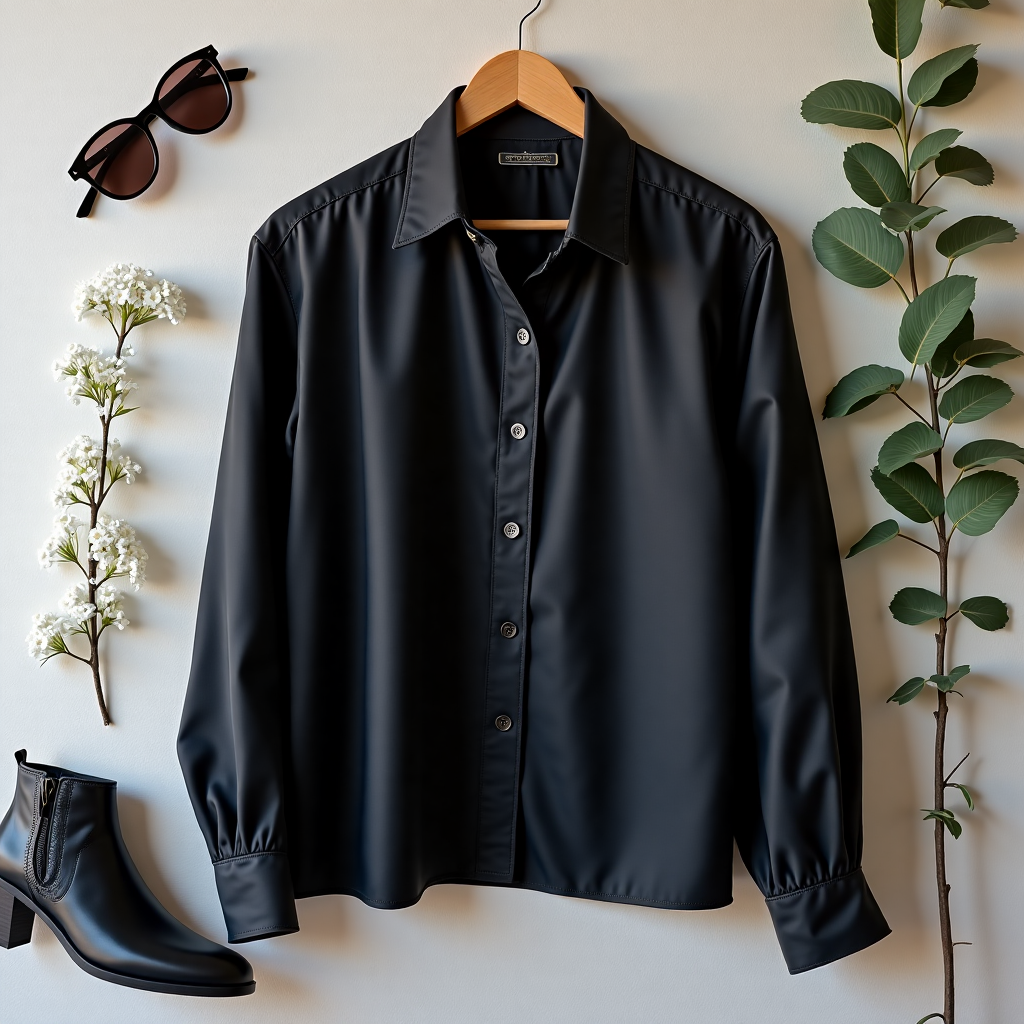
Breathe New Life Into Your Wardrobe: The Ultimate Guide to Refreshing Faded Black Clothes
We’ve all been there. You pull a favorite black t-shirt, a pair of trusty jeans, or that perfect little black dress from the closet, only to be met with a dull, faded shadow of its former self. That once-vibrant, inky black has taken on a tired, greyish hue, often tinged with reddish or brownish undertones. It’s a universal fashion dilemma, but it doesn’t have to be a death sentence for your wardrobe staples. As someone who has spent a decade delving into the practical magic of garment care, I can assure you: faded black clothes are not beyond saving. With the right knowledge and techniques, you can restore depth and intensity to your blacks, extending the life of your clothing and saving money in the process. This comprehensive guide will walk you through why black fades, and more importantly, how to bring it back to life.
Why Does Black Clothing Fade? Understanding the Enemy
Before we dive into the solutions, it’s crucial to understand what we’re fighting against. Black dye isn’t just one single color; it’s often a complex and dense mixture of several dyes, most commonly from the “direct” or “reactive” dye families. These dye molecules physically bond to the fabric fibers. The fading occurs when these bonds are broken or the dye molecules are physically washed away. The primary culprits are sunlight (UV radiation), which breaks down dye molecules, chlorine in swimming pools and sometimes tap water, harsh detergents containing bleach or optical brighteners, and the simple mechanical abrasion of the wash cycle. Furthermore, the fabric itself matters. Natural fibers like cotton and linen are more porous and can lose dye more easily than synthetics like polyester, though synthetics can fade from heat and UV exposure. Understanding this helps us tailor our approach: we need to clean gently, protect from UV, and consider re-saturating the fibers with color.
Method 1: Preventive Care – Keeping Black Clothes Black
The best way to deal with fading is to prevent it from happening in the first place. A few simple changes to your laundry routine can dramatically slow down the fading process, keeping your blacks darker for longer.
Wash Less, Wash Smarter
Every wash cycle is a mini-assault on your clothing. Get into the habit of airing out garments after wearing them instead of automatically tossing them in the hamper. When you do wash, always turn black clothes inside out. This protects the outer surface from friction against other clothes and the drum of the machine. Use the cold water setting exclusively, as heat opens up fabric fibers and releases dye.
Choose Your Detergent Wisely
This is non-negotiable. Avoid all detergents containing bleach, chlorine, or optical brighteners. These brighteners work by reflecting UV light, making whites appear brighter, but on black clothes, they can create a dull, grey film. Opt for a detergent specifically formulated for darks or colors. These are typically free of brighteners and are slightly more acidic, which helps to seal the dye in the fibers.
The Power of the Delicate Cycle and Air Drying
The gentle agitation of a delicate or hand wash cycle is far kinder to dyes. Similarly, never put black clothing in the dryer if you can avoid it. The high heat is a major cause of fading and can also set in stains. Instead, air dry your garments away from direct sunlight. Hang them in a shaded, well-ventilated area or lay them flat. If you must use a dryer, use the lowest heat setting possible and remove items while still slightly damp.
Method 2: Restoration Techniques – Bringing the Black Back
If prevention has come too late, don’t despair. Several effective methods can help restore the richness to your faded blacks. The right method for you depends on the garment’s fabric, value, and the extent of the fading.
The Vinegar Soak: A Natural Color Refresher
White vinegar is a laundry room hero. Its mild acidity helps to close the fabric’s cuticles, locking in dye and removing mineral buildup from hard water that can dull colors. For a general refresh, add one cup of white vinegar to a basin or washing machine filled with cold water. Soak the faded black garment for 30 minutes to an hour, then run a regular cold wash cycle (with your color-safe detergent). Do not mix vinegar with bleach or detergent in the same cycle.
Using a Commercial Color-Restoring Dye Product
Products like Rit ColorStay Dye Fixative or Dylon Express Colour are designed for this exact purpose. They are not a full re-dyeing process but work by bonding with loose dye molecules in the wash water and re-depositing them onto the fabric. They are excellent for garments that have faded evenly.
- They work best in a top-loading machine (though some have hand-wash instructions).
- You must use it with a non-ionic detergent (like Synthrapol or the one provided in the kit), as regular detergent will interfere with the process.
- This method is ideal for 100% cotton, linen, rayon, and other natural fibers.
Hand Re-Dyeing: The Most Permanent Solution
For garments that are severely faded or that you want to make jet-black again, a full re-dye is the most effective route. All-purpose dyes like Rit DyeMore (for synthetics and blends) or Rit All-Purpose (for natural fibers) are widely available and easy to use.
Remember, re-dyeing works best on natural fibers. It may not cover stains or areas of extreme wear uniformly.
Method 3: Special Considerations & Troubleshooting
Not all black clothing is created equal. Different fabrics and garment types require a tailored approach to avoid damage and achieve the best results.
Dealing with Delicate Fabrics: Wool, Silk, and Synthetics
Wool and Silk: Always hand wash in cold water with a gentle, pH-neutral soap. For refreshing color, a very short soak in a weak vinegar solution (1/4 cup vinegar to a gallon of cool water) can help. Avoid agitation. Never wring; instead, roll in a towel to absorb moisture.
Synthetics (Polyester, Nylon, Spandex): These are tricky to dye at home. Use dyes specifically formulated for synthetics (like Rit DyeMore) and follow the instructions meticulously, often requiring sustained near-boiling temperatures. The color-restoring wash products are often a safer bet for synthetic blends.
Can You “Over-Black” a Garment?
It’s possible. When using dye products, there is a risk of making the garment too dark or altering its texture slightly. Always test any method on an inconspicuous area first, like an inside seam. With the color-restoring laundry additives, the effect is usually subtle and builds over a few washes, giving you more control.
When to Call It Quits
Not every garment is worth the effort. If the fabric is threadbare, has holes, or is made from a complex blend of fibers that won’t take dye evenly, restoration may lead to disappointment. In these cases, consider repurposing the fabric for crafts, or responsibly recycling it.
A Wardrobe Rejuvenated
Faded black clothes are a common frustration, but they represent an opportunity rather than a loss. By adopting a mindful preventive laundry routine, you can significantly extend the deep, rich life of your new black purchases. And for those beloved items that have already journeyed into the land of grey, you now possess a toolkit of restorative techniques—from the simple vinegar soak to the commitment of a full re-dye. The key is to assess each garment individually, choose the method that matches its fabric and your comfort level, and experiment with care. With a little time and effort, you can revitalize your wardrobe, save money, and reduce waste, all while enjoying the timeless power of a perfect, profound black. Your favorite pieces are waiting for their second act.