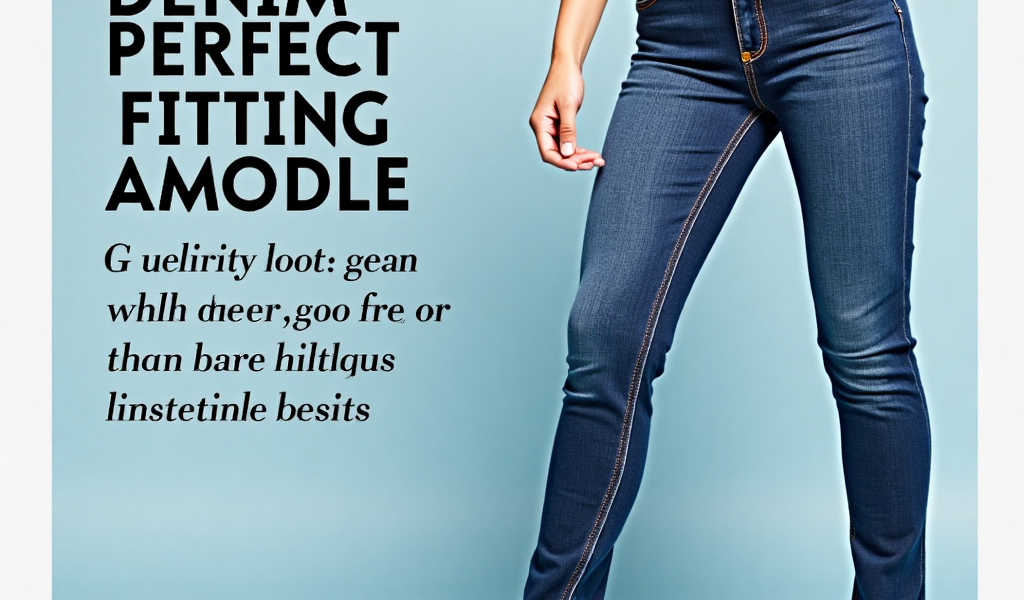
Denim Decoded: Your Ultimate Guide to Finding Perfect Fitting Jeans
Denim Decoded: Your Ultimate Guide to Finding Perfect Fitting Jeans
Few items in your wardrobe promise the blend of comfort, durability, and effortless style that a perfect pair of jeans does. Yet, the quest for that ideal fit can feel like a mythological journey—fraught with tiny dressing rooms, confusing size charts, and the dreaded “jeans fatigue.” The truth is, denim is a deeply personal fabric; it’s not just about a number on a tag, but about how the jeans make you feel. After a decade of sifting through trends and timeless style, I’ve learned that finding your holy grail jeans is part science, part self-knowledge. This comprehensive guide will demystify the process, moving beyond fleeting fads to help you identify the fit, fabric, and features that will make you reach for your jeans every single day.
The Foundation: Understanding Your Body Shape and Jeans Silhouettes
Before you even glance at a size label, the most critical step is understanding your body’s architecture. Denim cuts are designed with different proportions in mind, and aligning a silhouette with your shape is the secret to a flawless fit. This isn’t about adhering to arbitrary style “rules,” but about highlighting your favorite features and ensuring all-day comfort. Think of your body as the canvas and the jeans as the frame—the right frame enhances the entire picture.
Identifying Key Proportions
Take a neutral look at your proportions. Are your shoulders and hips similar in width? Do you have a defined waist? Where do you naturally carry weight—through the hips and thighs, or through the midsection? Answering these questions honestly will steer you toward the most flattering cuts. Remember, “flattering” means creating a balanced, elongated line that makes you feel confident.
Demystifying Jeans Cuts & Fits
Here’s a breakdown of the most common silhouettes and the body types they often complement:
- Skinny: Fitted from waist to ankle. Excellent for highlighting curves and balancing outfits with volume on top. Works well with boots and sneakers alike.
- Straight: A timeless, classic cut that runs straight from the hip to the hem. This is a universal fit that creates a clean, elongated line, ideal for rectangular, pear, or athletic shapes.
- Bootcut & Flare: Fitted through the hips and thighs, then gently (bootcut) or dramatically (flare) widening from the knee down. Perfect for balancing broader shoulders or adding curve to a straight silhouette. They also elongate the leg beautifully.
- Boyfriend & Relaxed: A looser, more casual fit with a slouch through the seat and thighs, often tapered at the ankle. Great for those seeking maximum comfort and a laid-back vibe. Ideal for apple or athletic shapes.
- High-Waisted: Not just a cut, but a rise category that sits at or above the natural waist. This style is fantastic for creating an hourglass illusion, providing tummy control, and making legs look miles long. It pairs well with almost every cut (skinny, straight, wide-leg).
Beyond the Cut: The Critical Details of Denim Construction
Once you’ve pinpointed your ideal silhouette, the devil—and the divinity—is in the details. The fabric composition, pocket placement, and rise length can make or break the fit of even the “right” cut.
The Fabric Matters: Stretch vs. Rigid
Modern denim comes in two primary camps: rigid (100% cotton) and stretch (a cotton blend with elastane, lycra, or polyester). Rigid denim is authentic, durable, and will mold to your body over time, creating a custom fade pattern. It often requires a break-in period. Stretch denim offers immediate comfort and flexibility, moving with you throughout the day. For a truly perfect fit, consider a blend with 1-3% elastane; it provides comfort without losing the structure of denim. Higher stretch percentages can sometimes lead to bagging out at the knees.
Pocket Placement & Size
This is the stealth weapon of jean fitting. Back pockets that sit too low can make your rear look saggy, while pockets placed too high or too close together can have the opposite effect. As a general guide:
- Pockets should sit just at or slightly below the fullest part of your seat.
- For a lifting effect, look for pockets angled slightly outward.
- Larger pockets can balance a fuller figure, while smaller pockets can complement a petite frame.
The Rise: Finding Your Sweet Spot
The rise—the distance from the crotch seam to the top of the waistband—is crucial for comfort. High-rise (10+ inches) sits at your natural waist. Mid-rise (8-10 inches) sits a few inches below your navel, the most universally flattering option. Low-rise (7-8 inches) sits on the hips. Your perfect rise prevents “muffin top,” allows you to sit comfortably, and ensures the waistband doesn’t gap at the back when you bend over.
The Fitting Room Protocol: How to Properly Try On Jeans
Armed with knowledge, it’s time for the battlefield: the fitting room. This is where theory meets reality. Never, ever shop for jeans based on your “usual” size alone. Sizing varies wildly between brands, and even between styles within the same brand.
The Movement Test
Don’t just stand and stare. A perfect fit allows for life to happen. Once you’ve pulled on a pair, perform this routine:
- Sit Down: Can you breathe comfortably? Does the waist dig in? Ensure there’s no painful pinching.
- Squat or Lunge: Check for restrictiveness across the thighs and seat. The fabric should have enough give (or be cut loosely enough) to allow movement.
- Check the Length: With your intended shoes on (or imagine them), assess the hem. Skinny jeans can bunch slightly at the ankle. Straight or bootcut styles should have a gentle break at the top of your foot.
Assessing the Waistband
A common frustration is the back gap—when the waistband pulls away from your lower back. This often indicates the jeans are too small in the hips and thighs but too large in the waist, pointing you toward a curvy-specific fit or a different brand. The waist should feel snug but not tight on the first wear, as most denim (especially cotton) will stretch slightly.
Investment vs. Affordability: Building a Denim Wardrobe
You don’t need a closet full of jeans, but you do need a few versatile, perfect pairs. Think in terms of a capsule denim collection.
- The Everyday Hero: A dark wash, mid-rise straight or skinny jean. This is your go-to for looking polished with a blazer, casual with a tee, and everything in between.
- The Comfort Specialist: A high-quality, relaxed-fit or boyfriend jean in a medium wash. For weekends, errands, and ultimate cozy style.
- The Statement Pair: This could be a classic bootcut, a crisp white jean, or a sophisticated black wide-leg. It’s the pair that makes you feel uniquely “you.”
Invest more in your Everyday Hero, as it will get the most wear. For trendier cuts, you can explore more affordable fast-fashion options, but never compromise on the fundamental fit principles outlined above.
Conclusion: Your Perfect Fit Awaits
The journey to perfect fitting jeans is an exercise in mindful shopping and self-awareness. It requires letting go of arbitrary size numbers and instead, focusing on how the fabric interacts with your unique shape. Remember that the “perfect” fit is defined by comfort, confidence, and versatility—it’s the pair you forget you’re wearing because they feel like a second skin, yet make you look impeccably put-together. Use this guide not as a rigid rulebook, but as a trusted map. Try on different brands, experiment with new silhouettes, and pay attention to the construction details. Your denim soulmate is out there. With patience and this newfound knowledge, you’re not just buying a pair of jeans; you’re investing in a foundational piece of your personal style that will deliver value and confidence for years to come.