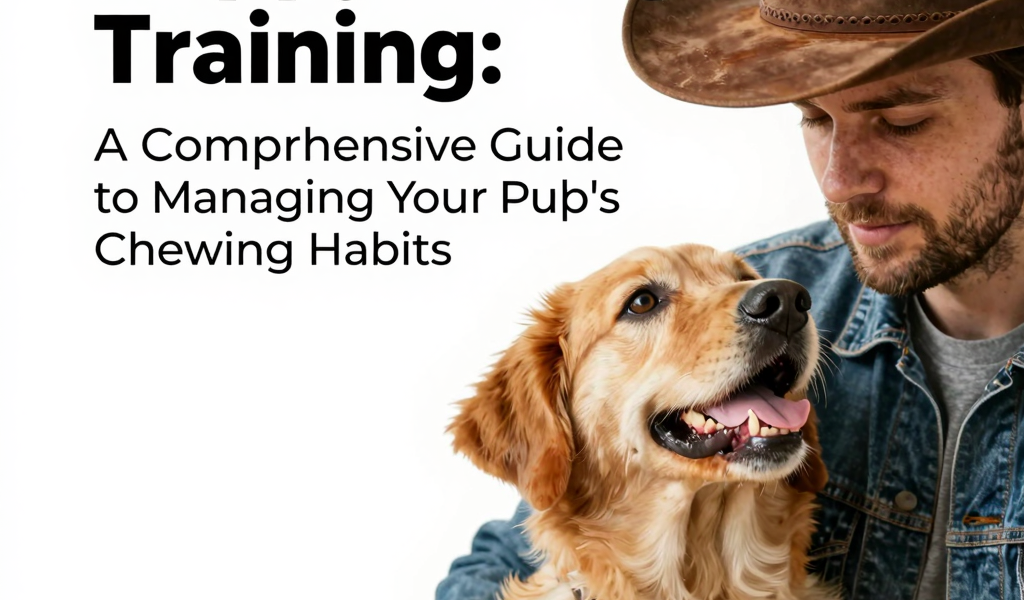
Puppy Biting Training: A Comprehensive Guide to Managing Your Pup’s Chewing Habits
Welcome to our in-depth guide on puppy biting training! If you’re a new puppy owner, you’ve probably noticed that your furry friend has an insatiable urge to bite and chew everything in sight. While this behavior is natural for puppies, it can become problematic if not addressed properly. In this article, we’ll explore why puppies bite, effective training techniques, and practical tips to help you manage this behavior. Let’s dive in and discover how to turn your little chewer into a well-behaved companion.
Understanding Why Puppies Bite
Puppies bite for several reasons, and understanding these can help you address the issue more effectively. One of the primary reasons is teething. Just like human babies, puppies go through a teething phase where their adult teeth start to come in, replacing their baby teeth. This process can be uncomfortable, and chewing helps them alleviate the pain and itching in their gums. Another reason is exploration and curiosity. Puppies use their mouths to explore their environment, much like humans use their hands. Biting and chewing are their ways of learning about the world around them.
Additionally, puppies may bite out of playfulness. Biting is a natural part of their play behavior, and they often use it to interact with their owners and other dogs. However, what starts as innocent play can escalate into unwanted behavior if not properly managed. Lastly, stress or anxiety can also lead to excessive biting. If your puppy feels overwhelmed or scared, they might resort to biting as a coping mechanism. Identifying the underlying cause is the first step toward effective training.
Teething and Biting
Teething is a significant factor in puppy biting behavior. Puppies typically start teething around 3 months old and continue until they’re about 6 months old. During this time, they’ll chew on anything they can get their paws on, including shoes, furniture, and even your hands. To help your puppy through this phase, provide them with appropriate chew toys designed for teething. These toys are durable and can withstand your puppy’s strong jaws, offering them a safe outlet for their chewing instincts.
Effective Training Techniques for Puppy Biting
Training your puppy to stop biting involves a combination of consistency, patience, and positive reinforcement. It’s important to remember that puppies are not trying to be malicious when they bite; they’re simply following their instincts. By redirecting their behavior and teaching them acceptable alternatives, you can help them understand what’s expected of them. Here are some effective techniques to try:
Redirecting Biting Behavior
One of the most straightforward methods is to redirect your puppy’s biting behavior. When your puppy starts to bite your hand or clothing, firmly say “No” or “Ouch” and immediately offer them a chew toy. This teaches them that biting humans is not acceptable but provides an alternative outlet for their chewing needs. Consistency is key here—every time your puppy bites, redirect them to a toy. Over time, they’ll learn to associate biting with the toy rather than with you.
Teaching the ‘Leave It’ Command
The ‘leave it’ command is a valuable tool in puppy biting training. This command teaches your puppy to release an object or stop chewing when instructed. Start by holding a treat in your hand and allowing your puppy to sniff it. When they go to bite or take the treat, say “Leave it” and close your hand. When they stop trying to take the treat, reward them with a different toy or treat. Practice this command regularly, and soon your puppy will understand that “leave it” means they need to stop whatever they’re doing and focus on you.
Using Taste Deterrents
Taste deterrents can be a useful tool in discouraging your puppy from biting inappropriate objects. Products like bitter apple or citrus sprays can be applied to items you don’t want your puppy to chew, such as furniture or clothing. These deterrents have a strong taste that puppies generally dislike, and they’ll learn to avoid those items. However, taste deterrents should be used in conjunction with positive reinforcement and redirection, not as a standalone solution.
Additional Tips for Managing Puppy Biting
While training is essential, there are additional steps you can take to manage your puppy’s biting behavior. Providing plenty of exercise and mental stimulation can help reduce the frequency of biting. A tired puppy is less likely to engage in destructive behavior. Additionally, consistency in training is crucial. Everyone in your household should use the same commands and techniques to avoid confusing your puppy.
Exercise and Playtime
Physical activity is a great way to tire out your puppy and reduce their biting urges. Spend at least 30 minutes a day playing with your puppy, either through games like fetch or tug-of-war, or by taking them for walks. Mental stimulation is equally important. Puzzle toys and training sessions can keep your puppy’s mind occupied, reducing the likelihood of destructive chewing.
Consistency in Training
Consistency is one of the most important factors in puppy biting training. If one family member allows your puppy to chew on their hands while another scolds them, your puppy will become confused and may not understand what’s expected. Make sure everyone in your household uses the same commands and reinforces good behavior in the same way. This consistency will help your puppy learn more quickly and effectively.
Avoiding Punishment
It’s important to avoid punishment when training your puppy to stop biting. Physical punishment can lead to fear or aggression, and it doesn’t teach your puppy what they should do instead. Instead, focus on positive reinforcement. When your puppy stops biting or chooses a chew toy instead, praise them and offer a treat. This positive association will encourage them to repeat the desired behavior.
Conclusion
Puppy biting is a natural behavior, but it’s important to address it early to prevent it from becoming a long-term issue. By understanding why your puppy bites and using effective training techniques, you can help them learn to control their chewing instincts. Remember to stay consistent, provide plenty of exercise and mental stimulation, and use positive reinforcement to encourage good behavior. With patience and persistence, you’ll be able to train your puppy to stop biting and become a well-behaved member of your family. Happy training!