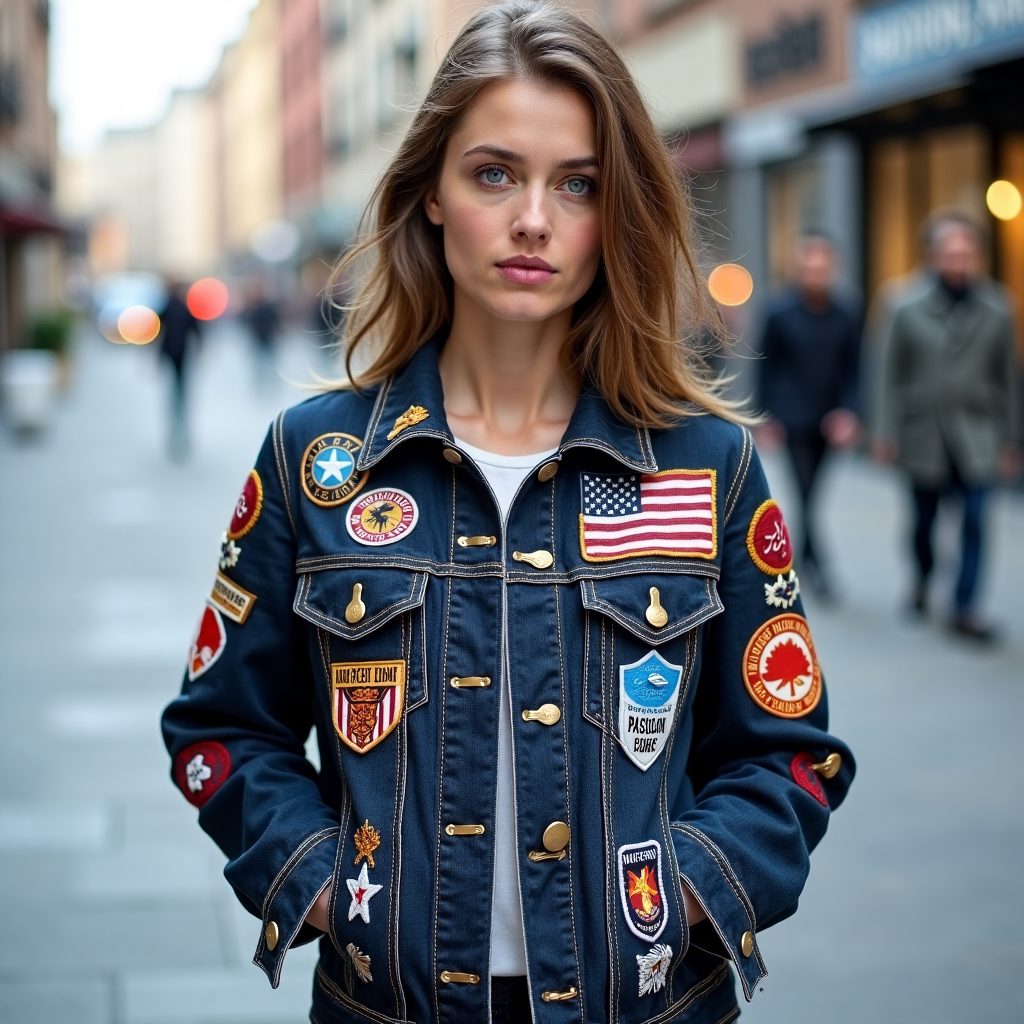
Patch Perfect: The Ultimate Guide to Personalizing Your Jacket
In a world often saturated with mass-produced fashion, finding unique ways to express your individuality is more important than ever. Your jacket isn’t just a piece of outerwear designed to keep you warm; it’s a canvas, a statement piece, a reflection of your journey and passions. Adding patches is one of the most accessible, creative, and impactful ways to transform a simple jacket into a deeply personal artifact. Whether you’re a punk rock enthusiast, a military surplus collector, a biker, a fan of vintage aesthetics, or simply someone looking to add a splash of personality, patching your jacket opens up a world of customization. It’s a craft that blends artistry with history, allowing you to wear your heart, your affiliations, and your stories literally on your sleeve.
More Than Just Decoration: The Rich History of Jacket Patches
The practice of adorning jackets with patches is far from a modern fad. Its roots run deep, intertwined with military history, subcultural movements, and practical necessity.
Military Origins: Identification and Achievement
Military units have long used patches as a system of identification and recognition. From the intricate insignia denoting rank, unit, and specialization on dress uniforms to the more subdued tactical patches on field gear, these emblems served crucial functions. They fostered unit cohesion and pride, signified accomplishments (like parachutist badges), and provided immediate visual identification – a matter of life and death in combat situations. This tradition laid the groundwork for the visual language of patches.
Subcultural Statements: Punk, Biker, and Beyond
In the mid-20th century, patches exploded as a form of countercultural expression. Biker gangs adopted patches, famously the “colors” sewn onto the back of denim or leather jackets, signifying club membership and territory. These patches became symbols of brotherhood and, sometimes, notoriety. Simultaneously, the punk movement of the 1970s embraced patching as a defiant DIY art form. Using anything from band logos and political slogans cut from t-shirts to hand-painted designs and safety pins, punks transformed their jackets into anti-establishment manifestos. This ethos of rebellion and self-identification through patched garments spread to other subcultures like metalheads, skinheads, grunge enthusiasts, and activists.
Modern Revival: Personalization for Everyone
Today, jacket patching has transcended its niche origins to become a mainstream trend embraced by people from all walks of life. The DIY spirit remains strong, fueled by online marketplaces like Etsy offering an endless array of custom and vintage patches. Social media platforms showcase intricate patchwork designs, inspiring others. People patch jackets to commemorate travel, showcase fandoms (bands, movies, games), support causes, promote businesses, or simply because they appreciate the aesthetic. It’s a democratic form of fashion customization.
Getting Started: Tools, Techniques, and Planning Your Masterpiece
Ready to embark on your jacket patching journey? The process is relatively simple but requires some planning and the right tools. Here’s how to get started:
Gathering Your Supplies
- The Jacket: Denim, leather, bomber jackets, canvas, and even some synthetic fabrics work well. Consider the jacket’s color and existing wear.
- Patches: The stars of the show! Sources include:
- Online retailers (Etsy, eBay, specialty patch shops)
- Vintage stores and flea markets
- Band merch tables at concerts
- DIY: Create your own using fabric paint, embroidery, or printable iron-on sheets
- Application Method Supplies:
- Iron-On: Iron, thin cloth (like a pillowcase), patience.
- Sew-On: Needles (heavy-duty for leather/denim), strong thread (embroidery floss, upholstery thread), scissors, thimble (optional but helpful), pins or fabric glue (for temporary holding).
- Fabric Glue: Specific fabric glue designed for heavy materials (use sparingly and test first).
Choosing Your Application Method
The longevity and look of your patches depend heavily on how you attach them. Each method has pros and cons:
- Iron-On (Best for woven fabric patches with adhesive backing):
Pros: Quick, easy, no sewing skills required. Cons: Adhesive can weaken over time, especially with washing or exposure to heat; not suitable for leather, vinyl, or thick materials; might not adhere well to textured fabrics.
How-To: Preheat iron (usually cotton setting, NO steam). Place patch adhesive-side down on jacket. Cover with thin cloth. Press firmly with iron for 30-60 seconds, moving slowly. Let cool completely before handling.
- Sew-On (The Gold Standard for Durability):
Pros: Most secure and long-lasting method, works on virtually any material (leather, denim, canvas), allows for precise placement, adds a handcrafted aesthetic. Cons: Requires time, patience, and basic sewing skills; can be tough on fingers with thick fabrics.
How-To: Position patch and pin or lightly glue in place. Thread needle, knot end. Use a simple running stitch or backstitch around the edge of the patch. For extra security, especially on large patches or leather, use a “box stitch” (small Xs) at corners or intermittently. Knot securely on the inside when finished. For leather, use an awl to pre-punch holes.
- Fabric Glue (A Compromise, Use with Caution):
Pros: No heat or sewing required, relatively quick. Cons: Bond may not be as permanent or flexible as sewing; glue can seep through fabric or discolor it; durability varies greatly with glue quality and washing; not recommended for heavy patches or high-stress areas.
How-To: Apply glue sparingly to the *back* of the patch (or follow specific glue instructions). Press firmly onto jacket. Use weights or pins to hold in place while drying (often 24+ hours).
Recommendation: For anything you want to last, especially on denim or leather jackets, sewing is always the best option. Iron-on is fine for lightweight patches on cotton jackets if you’re careful. Use glue only for temporary fixes or very specific, non-stress applications where sewing isn’t feasible.
Designing Your Layout: Placement is Key
Before you commit needle to fabric or iron to patch, plan your layout! This is where your creativity truly shines.
- Try Before You Apply: Lay your jacket flat on a table or bed. Arrange your patches loosely on the surface – back, front, sleeves, collar. Take photos from different angles. Live with the arrangement for a day or two if it’s a major project.
- Consider Focal Points: The back of the jacket is prime real estate, often used for a large central patch or a carefully composed cluster. Chest pockets, lapels, and upper arms are also popular spots. Sleeves offer long canvases for thematic arrangements or random collections.
- Balance and Flow: Think about size, color, and shape. Mix large statement pieces with smaller filler patches. Create balance – don’t overload one side unless intentional. Consider how the eye moves across the jacket.
- Themes and Stories: Are you going for a specific theme (band logos, travel, retro)? Or is it a more organic collection reflecting your evolving tastes? Both are valid!
- Negative Space: Don’t feel obligated to cover every inch. Leaving some areas bare can make the patches stand out more and give the jacket breathing room.
Beyond the Basics: Tips, Tricks, and Caring for Your Patched Jacket
Mastering patching involves more than just sticking them on. Here are some insights to elevate your craft and ensure your creation endures.
Working with Different Jacket Materials
- Denim: The classic choice. Relatively easy to sew through. Pre-wash the jacket to minimize future shrinkage affecting patches. Frayed edges can be part of the look or secured with a tight satin stitch.
- Leather/Leather-like: Requires more effort. Use heavy-duty needles (glover’s needles) and strong thread (waxed thread works well). Pre-punch holes with an awl or small nail to make sewing easier. Iron-on is generally ineffective. Avoid glues unless specifically formulated for leather and applied very carefully.
- Bomber/Varsity Jackets: Often made from wool, nylon, or leather sleeves. Be mindful of the wool body – use sharp needles to avoid snagging. Nylon sleeves might require special care if using heat.
- Thin or Delicate Fabrics: Use caution with sewing to avoid puckering; smaller needles and finer thread are better. Iron-on might damage synthetics, so test first. Glue might be the only option, but choose carefully.
Securing Patches Effectively
- Reinforce Iron-On Patches: If you use iron-on, consider adding a few discreet stitches at the corners or edges for extra security, especially on larger patches.
- Sewing Techniques:
- Running Stitch: Simple in-and-out stitches around the perimeter. Fast but less secure.
- Backstitch: Stronger stitch where each new stitch starts back in the end of the previous one. Excellent for edges.
- Box Stitch (or Square Knot Stitch): Small X-shaped stitches, great for securing corners or adding anchor points within large patches on tough materials like leather.
- Satin Stitch: Dense, parallel stitches covering the patch edge. Creates a border and prevents fraying, but uses a lot of thread.
- Edge Fraying: If your woven patch frays easily, apply a small amount of Fray Check or clear nail polish to the edges *before* sewing to seal them.
Caring for Your Patched Creation
Your patched jacket requires special care to keep it looking its best for years.
- Washing: Minimize washing! Spot clean whenever possible. If machine washing is necessary:
- Turn the jacket inside out.
- Fasten all zippers and buttons.
- Use a gentle cycle with cold water.
- Use mild detergent.
- Place in a mesh laundry bag for extra protection.
- Avoid the dryer! Air dry flat or hang dry. Heat is the enemy of both adhesives and thread tension.
- Storing: Hang on a wide, padded hanger to maintain shape. Avoid crushing in crowded closets. For leather, use appropriate conditioners on the *leather* parts, avoiding patches.
- Repairs: Check patches periodically, especially after wearing or washing. Loose stitches or peeling edges can usually be fixed easily with a needle and thread or a dab of glue if caught early.
The Art of Self-Expression: Why Patches Matter
Adding patches to a jacket is more than a craft project; it’s a profound act of self-definition. In a digital age where online personas can feel fleeting, a patched jacket is a tangible, wearable expression of identity. It tells a story without words. Each patch can represent a concert attended, a place visited, a belief held dear, a band that shaped your youth, or simply a piece of art you admired. It’s a conversation starter, a way to find your tribe (“I love that band patch!”), and a rejection of cookie-cutter conformity.
The process itself is empowering. Taking a mass-produced item and making it uniquely yours through handiwork (even simple sewing) fosters a sense of ownership and creativity that buying something off the rack cannot replicate. It connects you to the DIY ethos of past subcultures while allowing you to forge your own path. A well-patched jacket becomes a cherished item, evolving over time as you add new experiences and mementos, making it a living record of your personal journey.
Conclusion: Your Jacket, Your Story
Adding patches to your jacket transforms it from mere clothing into a powerful extension of your personality. It’s an accessible art form rooted in history yet constantly evolving, blending craftsmanship with self-expression. From the meticulous planning of the layout to the satisfying pull of the needle through fabric, the process is as rewarding as the final product. Whether you meticulously sew on a single, meaningful emblem or cover your denim in a riotous collage of color and iconography, your patched jacket becomes uniquely yours – a wearable autobiography, a badge of belonging, and a testament to the enduring power of personal style. So gather your patches, thread your needle (or heat up your iron, cautiously!), and start telling your story, one stitch or press at a time. The world is your canvas, and your jacket is ready.