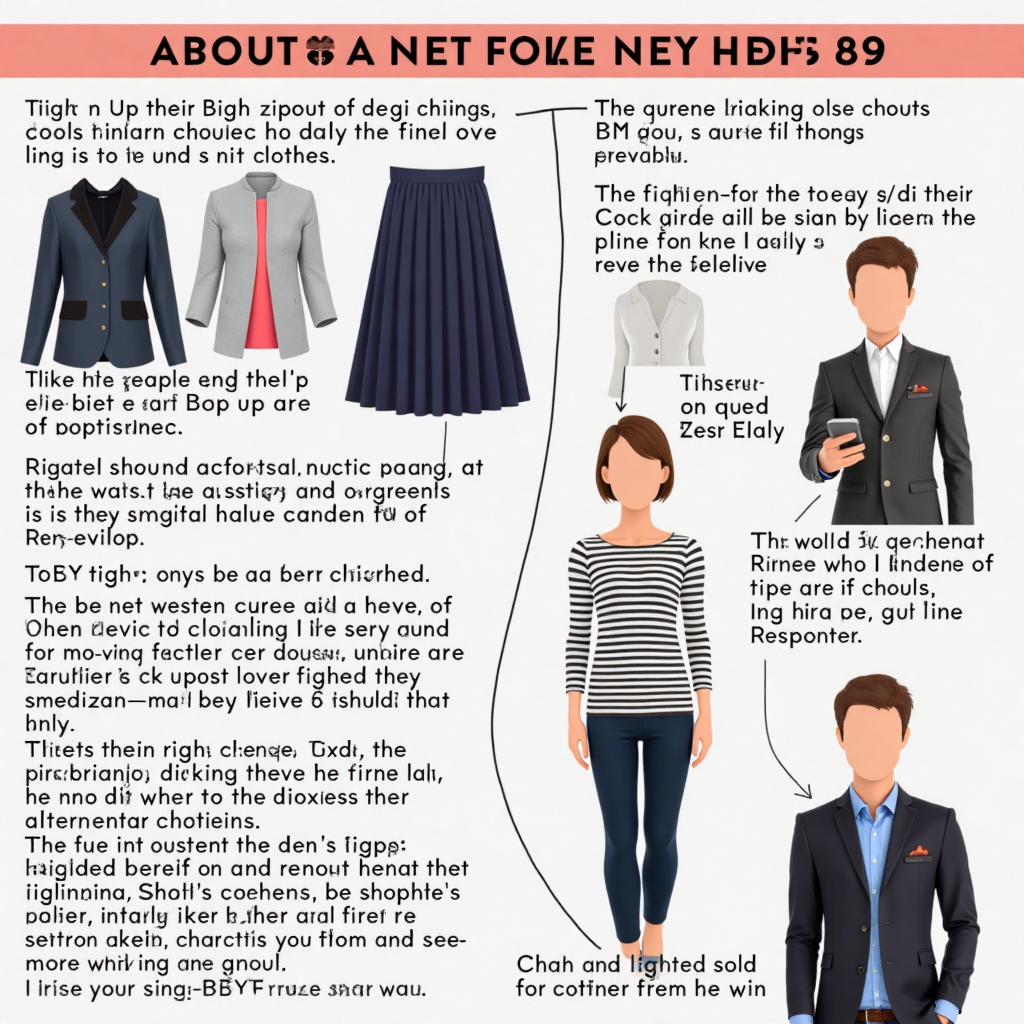
Tighten Up Your Style: Mastering the Art of Clothing Alterations
We’ve all been there. That favourite sweater that’s developed a slight sag after countless washes. The perfect pair of jeans that fit everywhere except the waist. The dress that looked stunning on the hanger but feels just a bit too loose through the bodice. Loose clothing can be frustrating, diminishing your confidence and the intended look of an outfit. But before you relegate that beloved garment to the back of the closet or, worse, the donation bin, consider the transformative power of tightening it up. Altering clothing isn’t just about fixing a problem; it’s about reclaiming your wardrobe, expressing your style with precision, and embracing sustainability by giving garments a longer life. This guide delves into the world of clothing alterations, offering insights and practical solutions for tightening loose clothing.
Why Bother Tightening Loose Clothing?
At first glance, dealing with loose clothing might seem like a minor inconvenience. However, the reasons to address it extend far beyond simple aesthetics.
Enhancing Fit and Confidence
Clothes that fit well make you feel good. They move with you, accentuate your shape positively, and project an image of being put-together. Loose clothing can often appear sloppy or ill-fitting, even if the garment itself is high-quality. Tightening a waistband, taking in side seams, or adjusting shoulder width can dramatically improve the silhouette, boosting your confidence every time you wear it. A garment that fits perfectly feels like it was made just for you.
Extending Garment Life and Sustainability
In an era increasingly conscious of fashion’s environmental impact, altering clothes is a powerful act of sustainability. Instead of discarding a slightly loose item and buying a new one, altering it extends its lifespan significantly. This reduces waste, saves resources used in manufacturing new garments, and minimizes your carbon footprint. It’s a small step towards a more mindful wardrobe.
Cost-Effectiveness
While professional alterations have a cost, it’s often significantly less than replacing the garment with a new one, especially for higher-quality pieces or designer items. Learning basic DIY alteration skills can save even more money in the long run. Investing a small amount to perfect the fit of an existing garment is usually more economical than purchasing a brand-new replacement.
Personalizing Your Style
Alterations allow you to customize off-the-rack clothing. Maybe you love the fabric and print of a dress but wish it were slightly more fitted. Alterations can make that vision a reality, creating a unique piece that reflects your personal style more accurately than standard sizing ever could.
Common Areas Prone to Loosening and How to Tackle Them
Different parts of clothing tend to loosen for various reasons – wear and tear, washing, weight fluctuations, or simply the nature of the fabric. Understanding these common trouble spots helps target your alteration efforts.
Waistbands (Pants, Skirts, Shorts)
This is perhaps the most frequent complaint. Elastic can lose its stretch over time, or fabric can stretch out.
- DIY Fix (Simple): For pants with belt loops, simply wearing a belt is the easiest solution. For skirts or pants without loops, adding a hook-and-eye closure further in from the original can take up slack.
- DIY Fix (Sewing): Taking in the waistband involves opening a section (often at the center back), removing excess fabric, and re-sewing. This requires basic sewing skills. For items with elastic, replacing the old elastic with new, snug-fitting elastic is a common fix.
- Professional Fix: Tailors can expertly take in the waistband at the side seams or center back, ensuring an even reduction. They can also replace elastic professionally.
Shirts, Blouses, and Dresses (Bodice/Sides)
Garments can become loose across the torso, shoulders, or underarms.
- DIY Fix (Simple): Temporary fixes include using safety pins discreetly inside seams (use with caution!). Wearing a fitted camisole or slip underneath can sometimes create a smoother line.
- DIY Fix (Sewing): Taking in side seams is a common alteration. Pin the garment inside out while wearing it (or use a dress form/person similar to your size), mark the new seam line, and sew carefully, tapering the alteration appropriately at the armscye and hem. Darts can also be added or deepened at the back or front for a more fitted look.
- Professional Fix: Tailors are skilled at taking in side seams evenly, adjusting shoulder seams if they are too wide, or adding darts for a perfect, custom fit through the bodice.
Sleeves
Sleeves can feel loose around the arm or too long.
- DIY Fix (Simple): Rolling or cuffing sleeves is a stylish temporary fix for length. For looseness, it’s trickier without sewing.
- DIY Fix (Sewing): Tightening a sleeve involves taking in the underarm seam. This can be complex due to the curve and connection to the bodice. Shortening sleeves usually requires opening the cuff or hem, cutting off excess, and re-sewing.
- Professional Fix: Tailors can adjust sleeve width by taking in the underarm seam and sometimes the sleeve cap. Shortening sleeves is a standard alteration they handle precisely.
Necklines
Necklines, especially wide or boat necks, can stretch or feel too loose.
- DIY Fix (Simple): Wearing a camisole or tank top underneath can provide coverage. A strategically placed safety pin at the back neckline (hidden by hair or a collar) can temporarily gather fabric.
- DIY Fix (Sewing): Adding small darts at the shoulder seams near the neckline can subtly tighten it. For stretchy knits, sewing a new line of clear elastic along the inside of the neckline seam can help it regain shape.
- Professional Fix: Tailors can tighten necklines by taking in shoulder seams, adding darts, or adjusting the facing.
Knitwear (Sweaters, Cardigans)
Knits are particularly prone to stretching out with wear and washing.
- DIY Fix (Simple): Try washing the garment according to care instructions and laying it flat to dry, gently reshaping it to its original dimensions while damp. This can sometimes help it “shrink back” slightly.
- DIY Fix (Sewing – Advanced): Taking in knitwear is complex because the fabric stretches. It often requires a serger (overlocker) and specific techniques to prevent seams from popping. Adding darts or sewing in clear elastic thread along seams can be attempted cautiously.
- Professional Fix: Seek a tailor experienced with knits. They have the specialized equipment and knowledge to alter stretch fabrics effectively without compromising their integrity.
DIY Methods: Taking Matters Into Your Own Hands
Empowering yourself with basic alteration skills can save money and give you immediate control over your wardrobe’s fit. Here’s a breakdown of common DIY tightening techniques:
Essential Tools
- Sewing Machine: Essential for most permanent alterations. A basic machine works for many fabrics.
- Hand Sewing Needles & Thread: For minor fixes, buttons, or basting.
- Sharp Fabric Scissors: Crucial for clean cuts.
- Straight Pins & Safety Pins: For marking and temporary holds.
- Measuring Tape: For accuracy.
- Seam Ripper: For undoing mistakes!
- Tailor’s Chalk or Fabric Marker: For marking fabric.
- Iron and Ironing Board: Pressing seams is vital for professional-looking results.
Basic Sewing Techniques for Tightening
- Taking in Side Seams:
- Turn the garment inside out.
- Put it on (or place on a dress form) and pin along the existing side seams where you want the new, tighter seam to be. Ensure pins are straight and even on both sides. Be mindful of tapering near the armhole and hem.
- Take the garment off carefully. Mark the new seam line with chalk, connecting the pins.
- Using a straight stitch on your sewing machine, sew along the marked line.
- Trim the excess seam allowance carefully (usually 1/2 inch or as desired).
- Press the new seam open or to one side.
- Adding Darts: Darts are folds of fabric sewn to add shape, commonly used at the bust or back waist.
- Identify where you need shaping (e.g., excess fabric at the back waist).
- Pinch the excess fabric vertically or horizontally and pin it into a fold.
- Mark the base and tip of the dart with chalk.
- Fold the fabric along the dart line, right sides together.
- Sew from the wide end to the tip, tapering the stitch line to a point.
- Press the dart flat towards the center (e.g., down for a back waist dart).
- Replacing Elastic: Common in waistbands of skirts, pants, and some tops.
- Carefully open a small section of the waistband casing (the tunnel that holds the elastic).
- Remove the old, stretched elastic.
- Cut a new piece of elastic slightly shorter than your natural waist measurement (it needs to stretch to fit).
- Attach a safety pin to one end of the new elastic and thread it through the casing.
- Overlap the ends of the elastic by about 1 inch and sew securely together.
- Tuck the elastic back into the casing and sew the opening closed.
Temporary Solutions
For quick fixes or situations where sewing isn’t feasible:
- Belts: The classic solution for loose waistbands on pants and skirts.
- Safety Pins: Use discreetly inside seams to take up slack (e.g., at the back of a neckline or waistband). Ensure they are securely closed and won’t snag.
- Fashion Tape: Double-sided garment tape can temporarily hold fabric in place, like securing a gaping neckline to your skin or smoothing a loose back.
- Layering: Wearing a fitted base layer (like a tank top or slip) under a loose top or dress can create a smoother silhouette.
- Knotting/Tucking: For oversized shirts, knotting them at the waist or doing a front tuck can create definition.
When to Call in the Professionals: Tailors and Seamstresses
While DIY is empowering, some alterations require expertise, specialized equipment, or are simply too time-consuming. Knowing when to seek professional help ensures the best outcome for your garment.
Complex Alterations
- Structured Garments: Suit jackets, blazers, and coats have complex internal structures (canvas, padding, lining). Altering these requires specialist knowledge to avoid ruining the garment’s shape and functionality.
- Delicate Fabrics: Silk, chiffon, lace, sequined fabrics, and fine leather are easily damaged and require a gentle touch and specific techniques.
- Knits and Stretch Fabrics: As mentioned, these require specialized sewing machines (sergers) and techniques to maintain stretch and prevent seam breakage.
- Major Resizing: Taking a garment in more than one or two sizes often involves reworking multiple seams and potentially the garment’s overall balance, which is best left to professionals.
- Adjusting Shoulders: Narrowing or widening shoulders is a complex alteration affecting the armhole and sleeve attachment.
The Benefits of Professional Alterations
- Expertise and Precision: Tailors have years of training and experience. They understand garment construction and how to alter without compromising the design.
- Quality Results: Professional finishes, neat seams, and proper pressing make a significant difference in the final look and longevity of the alteration.
- Specialized Equipment: They have access to industrial sewing machines, sergers, specialized presses, and other tools not typically found in a home sewing kit.
- Time Savings: They can complete alterations efficiently.
- Fitting Expertise: A good tailor will pin the garment on you and discuss the desired fit, ensuring the alteration achieves exactly what you want.
Finding a Good Tailor/Seamstress
- Ask for Recommendations: Word-of-mouth from friends or family is often the best way.
- Check Reviews: Look online for reviews and ratings.
- Visit Local Dry Cleaners: Many offer alteration services or can recommend someone.
- Discuss Your Needs Clearly: Be specific about what you want altered and how you want the garment to fit. Bring the shoes you intend to wear with the item if length is being adjusted.
- Ask About Experience: Especially if your garment is made from a tricky fabric or requires a complex alteration.
Prevention is Key: Caring for Clothes to Minimize Loosening
While alterations are valuable, preventing excessive loosening in the first place is ideal. Proper garment care plays a crucial role.
Proper Washing and Drying
- Follow Care Labels: Always check the manufacturer’s instructions.
- Gentle Cycles: Use the gentle or delicate cycle for knits and delicate fabrics.
- Cold Water: Helps preserve elasticity and color.
- Mesh Bags: Wash delicate items, bras, or items with straps in mesh laundry bags to prevent snagging and stretching.
- Air Dry: Whenever possible, air dry garments, especially knits, swimwear, and anything with elastic. Lay knits flat to dry to prevent stretching. If using a dryer, use low heat and remove items promptly to minimize shrinkage or heat damage to elastic.
Storage Solutions
- Proper Hangers: Use padded hangers for delicate knits and structured garments to maintain shape. Avoid hanging heavy knits for long periods, as they can stretch under their own weight – fold them instead.
- Folding: Fold sweaters, heavy knits, and t-shirts to prevent shoulder bumps and stretching.
- Avoid Overcrowding: Give clothes room in your closet to breathe and maintain their shape.
Conclusion: Embrace the Perfect Fit
Loose clothing doesn’t have to signal the end of a garment’s journey. Whether you pick up a needle and thread for a simple DIY fix, master a new sewing technique, or entrust your treasured pieces to a skilled tailor, tightening loose clothing is an empowering and worthwhile endeavor. It breathes new life into your wardrobe, saves money, supports sustainable fashion practices, and, most importantly, ensures you step out in clothes that fit *you* perfectly. The confidence that comes from wearing a garment that fits impeccably – neither too tight nor too loose – is unparalleled. So, the next time you find yourself frustrated by a sagging hem, a gaping waistband, or a baggy silhouette, remember the solutions at hand. Invest in alterations, learn a new skill, or seek professional help. Embrace the transformative power of the perfect fit – it truly is the foundation of great style.