The Unsung Heroes: Why Everyday Cotton Pieces Deserve a Place in Your Wardrobe
In the whirlwind of fast fashion trends and synthetic materials, there exists a humble hero: cotton. It’s the fabric that greets us in the morning as we pull on a soft t-shirt, wraps us comfortably at home in our lounge pants, and provides a reliable base layer under our work attire. Everyday cotton pieces – those simple, unassuming garments – form the bedrock of countless wardrobes worldwide. Yet, their significance often goes unnoticed. This article delves into the enduring appeal, versatility, sustainability, and sheer comfort of these foundational items, arguing that they are far more than just basic necessities; they are essential components of a practical, comfortable, and increasingly conscious lifestyle.
The Unmatched Versatility of Cotton
Cotton’s true power lies in its chameleon-like ability to adapt. Its natural properties make it suitable for a staggering range of applications, seasons, and styles.
From Morning to Night: Cotton’s Daily Journey
Consider a typical day. It might start with a breathable cotton pajama set or a cozy robe. Breakfast could be enjoyed in comfortable cotton lounge pants and a simple tee. Heading out? A crisp cotton button-down shirt or a well-fitting cotton knit sweater forms the perfect layer. For casual outings, a pair of reliable cotton jeans or chinos paired with a cotton polo or sweatshirt is a fail-safe choice. Even for sleep, cotton nightgowns or pajamas offer comfort and breathability. This seamless transition from home comfort to casual wear, and even into slightly more formal territory with the right cuts, highlights cotton’s inherent flexibility.
Seasonal Adaptability
Unlike many synthetics that trap heat, cotton’s breathability makes it ideal for warmer weather, wicking moisture away from the skin and allowing air to circulate. But cotton’s usefulness doesn’t end with summer. Medium-weight cotton knits provide excellent insulation during spring and autumn. Layered effectively (think a cotton turtleneck under a wool sweater, or a cotton long-sleeve tee under a jacket), cotton pieces contribute significantly to warmth in colder months. Furthermore, heavier weaves like denim and canvas, both cotton-based, are staples for fall and winter wardrobes.
The Foundation of Style
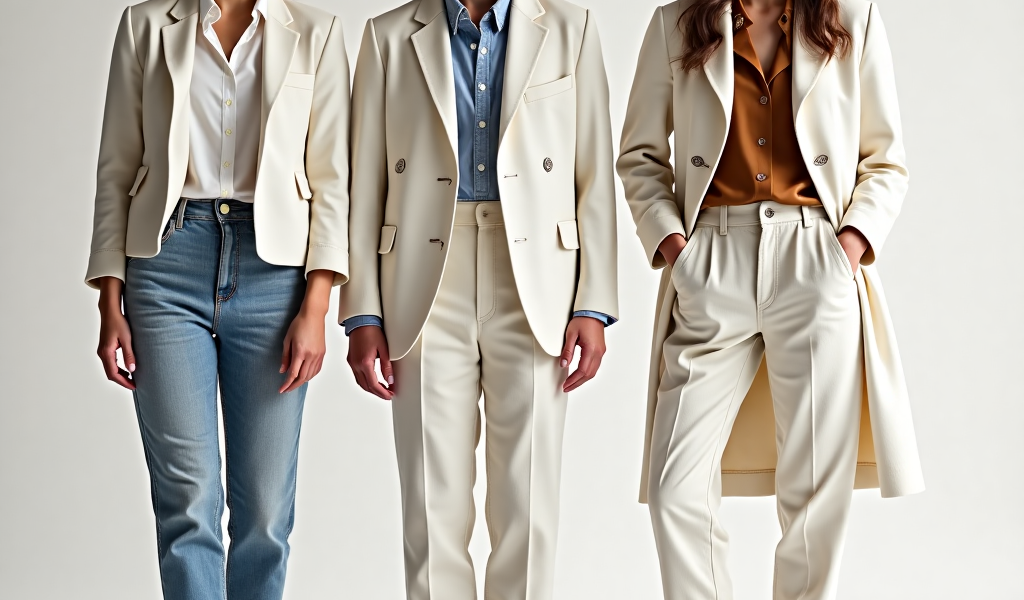
Everyday cotton pieces are the ultimate building blocks. A plain white cotton t-shirt can be dressed up with a blazer and tailored trousers or dressed down with jeans and sneakers. A classic blue cotton oxford shirt works equally well under a suit for a business-casual look or paired with shorts for a weekend vibe. Their simplicity allows them to play a supporting role, letting statement pieces shine, or to take center stage in a minimalist aesthetic. They mix effortlessly with other fabrics like linen, wool, or silk, providing texture and contrast.
Comfort and Care: The Cotton Advantage
There’s a reason why cotton has been a preferred fabric for millennia – it feels good against the skin. This inherent comfort is a major factor in its enduring popularity for everyday wear.
Breathability and Skin-Friendliness
Cotton is a natural, plant-based fiber. It is inherently breathable, allowing air to pass through the fabric. This helps regulate body temperature, preventing overheating and excessive sweating. Unlike some synthetic fibers that can feel clammy or trap odors, cotton absorbs moisture effectively, keeping the wearer feeling drier and more comfortable throughout the day. Furthermore, high-quality cotton is generally hypoallergenic and gentle on sensitive skin, making it a safe choice for most people, including babies and those with skin conditions like eczema.
Durability and Ease of Care
While perhaps not as indestructible as some modern synthetics, good quality cotton fabric is remarkably durable and can withstand frequent washing and wearing. Properly cared-for cotton garments can last for years, becoming even softer and more comfortable over time. Caring for cotton is generally straightforward:
- Washing: Most cotton items can be machine washed in warm or cold water. Always check the care label, especially for items like denim or heavier weaves that might have specific instructions.
- Drying: Cotton can be tumble dried on a medium heat setting, though line drying is gentler on the fibers and helps prevent shrinkage and fading.
- Ironing: Cotton usually responds well to ironing, often requiring a higher heat setting than synthetics. Steam is effective for removing wrinkles.
This ease of maintenance makes cotton pieces practical for busy lifestyles.
The Softness Factor
Few fabrics can rival the soft, comfortable feel of well-worn cotton. From the crisp smoothness of a new poplin shirt to the buttery softness of a favorite old tee, cotton provides a tactile comfort that synthetic alternatives often struggle to replicate authentically. This sensory appeal is a key reason we reach for cotton items day after day.
Sustainability: Cotton’s Complex Story
The environmental impact of cotton production is a topic of significant discussion. While cotton is a natural fiber and biodegradable, conventional cotton farming has substantial drawbacks. Understanding these nuances is crucial for making informed choices.
The Environmental Footprint of Conventional Cotton
Traditional cotton cultivation is notoriously resource-intensive:
- Water Usage: Conventional cotton is a thirsty crop, requiring vast amounts of water for irrigation. This can lead to water scarcity in producing regions and environmental damage to rivers and lakes.
- Pesticides and Chemicals: Cotton farming often relies heavily on pesticides, insecticides, and synthetic fertilizers. These chemicals can contaminate soil and water sources, harm biodiversity, and pose health risks to farmers and nearby communities.
- Land Use and Biodiversity: Large-scale monoculture cotton farming can lead to soil degradation and loss of habitat for wildlife.
The Rise of Better Cotton Options
Thankfully, more sustainable cotton options are becoming increasingly available:
- Organic Cotton: Grown without synthetic pesticides, insecticides, or genetically modified seeds. Organic farming practices promote healthier soil, conserve water more effectively (through techniques like rainwater harvesting and crop rotation), and protect farmers’ health. Look for certifications like GOTS (Global Organic Textile Standard) which cover both the farming and processing stages.
- Better Cotton Initiative (BCI): Focuses on improving the environmental and social impact of cotton farming globally. BCI farmers implement practices to reduce water use, minimize harmful chemicals, and promote decent working conditions.
- Recycled Cotton: Made by mechanically or chemically breaking down cotton fabric waste (pre-consumer or post-consumer) and re-spinning it into new yarn. This significantly reduces water and energy consumption compared to virgin cotton production.
Choosing garments made from these more sustainable sources significantly lessens the environmental burden of your everyday cotton pieces.
Longevity and Biodegradability
One of cotton’s inherent sustainability advantages is its biodegradability. At the end of its long life (which can be extended through repair and reuse), a 100% cotton garment will decompose naturally, unlike synthetic fibers that can persist in landfills for centuries. Furthermore, investing in well-made, durable cotton pieces encourages a ‘buy less, buy better’ mentality, countering the disposability of fast fashion.
Building a Capsule Wardrobe with Everyday Cotton
The simplicity and versatility of cotton make it perfect for creating a functional, minimalist capsule wardrobe. By focusing on high-quality staples, you can reduce clutter and ensure you have reliable outfits for various occasions.
Essential Everyday Cotton Pieces
Consider these foundational items:
- T-Shirts: Crew neck, V-neck, long-sleeve in neutral colors (white, black, grey, navy) and perhaps a stripe or two.
- Button-Down Shirts: A classic oxford cloth shirt (white or blue) and perhaps a chambray or flannel for variety.
- Knitwear: Cotton sweaters (crew neck, V-neck), cardigans, or sweatshirts for layering.
- Bottoms: Well-fitting jeans, cotton chinos in versatile colors (khaki, navy, black), and comfortable cotton pajama or lounge pants.
- Underwear & Socks: Breathable cotton briefs/boxers and comfortable cotton socks.
- Homewear: Cotton robes and simple cotton nightdresses or pajama sets.
Choosing Quality Over Quantity
When building your capsule, prioritize quality:
- Fabric Weight and Weave: Heavier weights (like those used in good t-shirts or oxford cloth) often indicate better durability. Examine the weave for consistency.
- Stitching: Look for secure, even seams and hems.
- Fit: Choose pieces that fit well off the rack or can be easily tailored. A good fit enhances both comfort and appearance.
- Brand Values: Support brands that prioritize sustainable cotton sourcing (organic, BCI, recycled) and ethical manufacturing.
Maximizing Wear and Lifespan
Caring for your cotton pieces properly ensures they last:
- Follow Care Labels: Always check washing and drying instructions.
- Wash Less Frequently: Spot clean when possible. Often, items like jeans or sweaters don’t need washing after every wear.
- Use Gentle Cycles: Wash in cold water on a gentle cycle to reduce wear and tear and save energy.
- Air Dry When Possible: Protects fibers, saves energy, and prevents shrinkage.
- Mend and Repair: Learn basic sewing skills to fix small holes or loose buttons, extending the garment’s life significantly.
Beyond the Basic: The Enduring Appeal
Everyday cotton pieces transcend mere functionality. They represent a connection to a natural material, a commitment to comfort that doesn’t sacrifice style, and an increasingly important choice towards more sustainable consumption. In a world obsessed with the new and the novel, the quiet reliability of a favorite cotton t-shirt or a pair of worn-in jeans offers a grounding sense of familiarity and ease.
Choosing cotton, especially from more sustainable sources, is a small but significant step towards reducing our environmental footprint. It supports a shift away from petroleum-based synthetics and the throwaway culture they often enable. Moreover, the comfort cotton provides is unmatched – it’s the feeling of home, of ease, of being truly comfortable in your own skin.
So, the next time you pull on that soft cotton tee or slide into your favorite jeans, take a moment to appreciate these humble heroes. They are the workhorses of our wardrobes, the enablers of comfort, and, when chosen consciously, a testament to a simpler, more sustainable way of dressing. Embrace the everyday cotton piece – it’s a timeless choice that never truly goes out of style.