Mastering the “Place” Command: The Ultimate Tool for Polite Canine Control
The Foundation of a Well-Behaved Dog
In the vast repertoire of dog training commands, from the basic “sit” and “stay” to the more complex “heel” and “leave it,” one directive stands out for its profound utility and versatility: the “place” command. For over a decade of working with dog owners and observing canine behavior, I’ve consistently found that mastering “place” is the single most transformative skill for creating a harmonious household. It’s more than just sending your dog to a bed; it’s about teaching them an off-switch, a polite way to exist in human spaces, and a foundation for impulse control that ripples into every other aspect of their training.
The “place” command instructs your dog to go to a specific, designated spot—typically a raised cot, a mat, a dog bed, or even a particular tile on the floor—and to remain there calmly until released. Unlike “stay,” which is often positional (stay in that sit, stay in that down), “place” is destination-based. The dog must go to the object and settle. This command solves a myriad of common, frustrating issues: it prevents door-dashing, gives your dog a job during mealtimes, manages excited greeting behavior when guests arrive, and provides a safe, calm space in hectic environments.
Why “Place” is a Non-Negotiable Skill
At its core, the “place” command is about teaching calm submission and boundaries. Dogs are opportunistic creatures. Without clear guidance, they will choose the most comfortable spot on your sofa, crowd the kitchen hoping for scraps, or turn into a pogo stick when the doorbell rings. “Place” gives them a constructive, rewarded alternative to these undesirable behaviors. It answers the question they are constantly asking: “What should I be doing right now?” The answer becomes: “Go to your place and relax.”
The Multitude of Benefits
- Impulse Control: “Place” directly challenges a dog’s impulses—to run, to bark, to beg. Successfully holding a “place” strengthens their mental discipline.
- Stress Reduction: For both dog and owner! Your dog learns to settle amidst activity, and you gain the ability to manage situations without yelling or physically corralling your pet.
- Enhanced Safety: A dog on “place” cannot bolt out an open door, get underfoot while you’re cooking with hot oil, or bother repair technicians.
- Polite Manners: It forms the bedrock of a polite canine companion, one who doesn’t demand attention but earns it through calm behavior.
A Step-by-Step Guide to Training the “Place” Command
Training “place” is a process of breaking down the action into tiny, achievable steps. Patience and consistency are your most valuable tools. You’ll need a designated “place” object (a cot is ideal as it’s distinct from regular flooring), high-value treats, a leash, and a calm environment to start.
Phase 1: Building the Association
Start with your dog on a leash. Lead them onto the cot and use a marker word like “yes!” or a clicker the moment all four paws are on it. Immediately give a treat. Repeat this 10-15 times until they readily step onto the cot when you lead them. Next, add the cue. As you lead them on, say “place.” Mark and reward when they get on. Practice this until they begin to move toward the cot upon hearing the word.
Phase 2: Adding Duration and Distance
Now, ask your dog to go to “place.” Once they are on, take one small step back. If they stay, step back to them, mark, and reward. Gradually increase the number of steps you take away from the cot. Then, begin to increase the time they must remain before you mark and reward. Start with just a few seconds, building up to a minute. If they break position, calmly and without words, guide them back. The reward always comes for staying, not for returning after breaking.
Phase 3: Proofing with Distractions and Adding the Release Cue
This is where the command becomes reliable. Start introducing mild distractions: clap your hands, bounce a ball at a distance, have another person walk by. Use a leash to prevent them from breaking if needed. The goal is to show them that even when interesting things happen, their job is to stay on “place.” Simultaneously, introduce a clear release word like “okay” or “free.” Say it in an upbeat tone, encourage them to get off, and maybe even play for a moment. This teaches them that the command has a definite end, making them more likely to comply fully during the task.
Integrating “Place” Into Daily Life
The true power of “place” is realized when it moves out of training sessions and into daily routines. This is where you, as an owner, must be proactive and consistent.
- During Meals: Before you prepare your food or their own, give the “place” command. Reward them for staying calm while you eat. This eliminates begging and creates a peaceful dining experience.
- When Guests Arrive: The doorbell is a classic trigger. Have your dog on “place” before you answer the door. This prevents jumping and allows guests to enter comfortably. Reward your dog generously for staying calm as people come in.
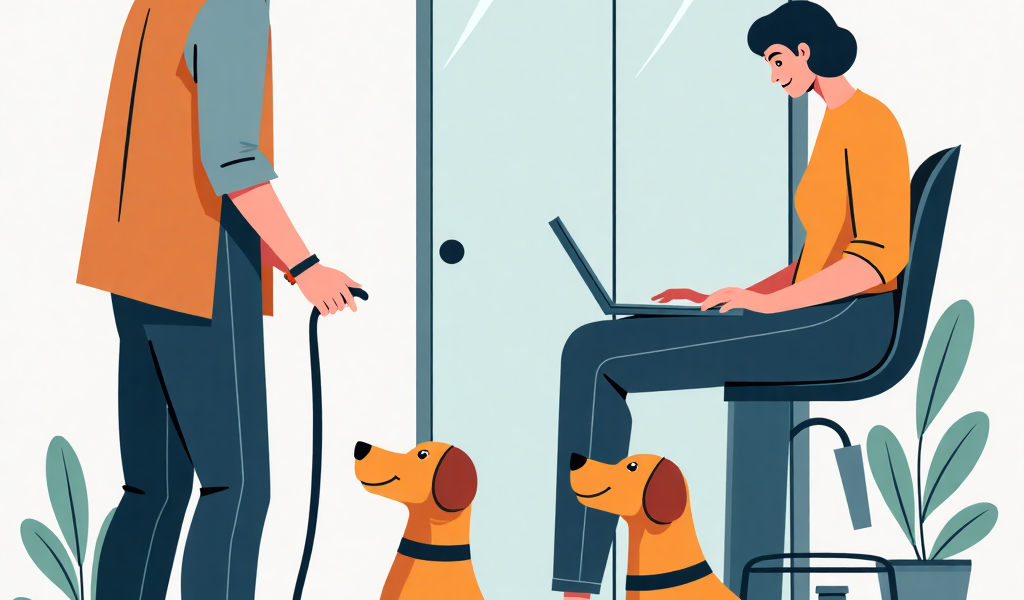
- While Working or Relaxing: Ask for a “place” while you watch TV or work at your desk. It gives your dog a sense of purpose and companionship without them being needy or disruptive.
- In New Environments: Bring a portable mat when traveling. A familiar “place” command in a hotel room or a friend’s house gives your dog an anchor, reducing their anxiety and preventing them from exploring off-limits areas.
Troubleshooting Common Challenges
Even with perfect training, you’ll hit snags. Here’s how to handle them:
My dog won’t stay on “place” with distractions. You’ve increased the difficulty too quickly. Go back to a lower level of distraction, or reduce the duration and distance. Master the command in a boring hallway before asking for it when the kids are playing. Management is key—use that leash to prevent rehearsal of the failure (breaking off).
My dog whines or barks on “place.” This is often frustration or demand barking. Ensure you are rewarding calm, quiet behavior. If they bark, wait for a moment of silence—even a split second—then mark and reward. Never reward while they are vocalizing. You are teaching that quiet patience, not noise, earns the treat.
The command falls apart when I don’t have treats. This is a fading plan issue. Move to a variable reinforcement schedule. Instead of rewarding every time, reward the 3rd successful “place,” then the 5th, then the 1st. Make the rewards random and unpredictable. Also, start pairing treats with real-life rewards: “You held your place while I answered the door, now you get to come say a calm hello!”
The Lasting Impact of a Simple Idea
The journey of teaching and consistently using the “place” command is an investment that pays dividends for the entire life of your dog. It transcends simple obedience; it is a communication tool that establishes you as a calm, confident leader and provides your dog with the security of clear expectations. A dog that knows “place” is not a robot—it is a relaxed, confident companion who understands its role in the family. It transforms chaotic moments into manageable ones and turns a pet from a source of potential stress into a true partner in the home. Start small, be patient, and integrate it into your daily life. You’ll soon wonder how you ever managed without this cornerstone of modern, polite canine training.