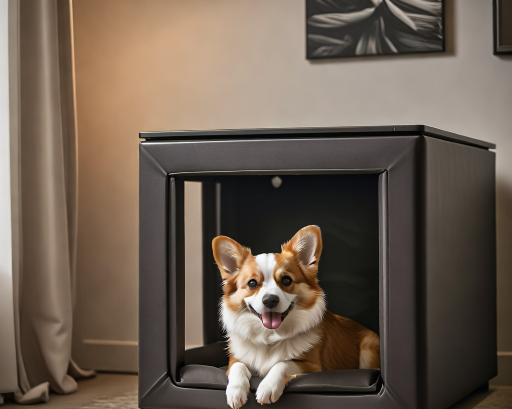
How to Crate Train a Puppy Overnight: A Step-by-Step Guide
Introduction to Crate Training
Crate training is one of the most effective methods for teaching a puppy to feel safe and secure in a confined space while also helping them learn basic house training rules. While the idea of crate training overnight might seem daunting, it’s possible with the right approach and consistency. This article will guide you through the process of crate training your puppy quickly and effectively, ensuring both you and your furry friend have a positive experience.
Before diving into the training, it’s essential to understand the benefits of crate training. A crate serves as a den for your puppy, providing a sense of security and comfort. It also helps prevent accidents indoors, reduces destructive behavior, and makes travel and grooming easier. By crate training your puppy overnight, you’re not only teaching them a valuable lesson but also creating a safe environment for them to rest and recharge.
Why Crate Training is Important
There are several reasons why crate training is crucial for puppies. First, it helps them feel secure. Puppies often feel overwhelmed in new environments, and a crate provides a cozy, enclosed space where they can retreat and feel safe. Second, crate training aids in house training by encouraging puppies to hold their bladder and bowels until they’re taken outside. Third, it prevents destructive behavior, as a puppy left alone in a crate is less likely to chew on furniture or other items. Finally, a crate is a great tool for transporting your puppy, ensuring they stay calm and contained during car rides or trips.
When crate training overnight, the goal is to help your puppy associate the crate with positive experiences. This means introducing the crate gradually and using treats, praise, and toys to make it an appealing place. It’s also important to establish a routine, so your puppy knows when it’s time to go into the crate and when they can come out. Consistency is key to successful crate training, so stick to the same schedule and commands every day.
Benefits of Crate Training Overnight
- Safety: Ensures your puppy is safe and secure while you’re away or asleep.
- House Training: Helps puppies learn to hold their bladder and bowels overnight.
- Comfort: Provides a den-like environment for your puppy to rest and feel at ease.
- Prevents Destructive Behavior: Stops puppies from chewing or damaging items during unsupervised hours.
- Travel便利: Makes transporting your puppy easier and more stress-free.
Step-by-Step Guide to Crate Training Your Puppy Overnight
1. Choose the Right Crate
The first step in crate training is selecting the appropriate crate for your puppy. The crate should be spacious enough for your puppy to stand up, turn around, and lie down comfortably. However, it shouldn’t be too large, as this might encourage your puppy to use one corner for sleeping and another for eliminating. A good rule of thumb is to choose a crate that allows your puppy to grow into it but isn’t overly spacious during their early months.
Ensure the crate is made from durable materials, such as wire mesh or plastic, and has a secure latch to prevent your puppy from escaping. Additionally, consider adding soft bedding or a blanket to make the crate more comfortable. Avoid using the crate as a punishment tool, as this can create negative associations.
2. Introduce the Crate Gradually
Introducing your puppy to the crate should be a positive experience. Start by placing the crate in a common area of your home where your puppy spends most of their time. Leave the door open so your puppy can explore it at their own pace. Place treats, toys, or a small portion of their favorite food inside the crate to entice them to enter.
As your puppy becomes comfortable with the crate, begin closing the door for short periods while they’re inside. Start with just a few minutes and gradually increase the time as your puppy becomes more relaxed. Always ensure the crate is a positive place by offering praise and treats when your puppy enters it voluntarily.
3. Establish a Routine
Creating a consistent routine is crucial for overnight crate training. Begin by feeding your puppy near the crate and praising them when they finish their meal. Over time, place their food inside the crate, so they associate it with positive reinforcement. Similarly, use the crate as a place for rest and calmness by putting your puppy in the crate during nap times and reinforcing the behavior with treats and soothing words.
When it’s time to crate your puppy overnight, ensure they’ve had a chance to relieve themselves before bedtime. Take them outside for a final potty break and praise them when they go. Then, gently place them in the crate and say a consistent command, such as “crate” or “bedtime.” Keep the crate near your sleeping area so your puppy feels connected to you but still separate enough to sleep without disturbances.
4. Use Positive Reinforcement
Positive reinforcement is the cornerstone of successful crate training. When your puppy enters the crate willingly, reward them with treats, praise, or a favorite toy. This reinforces the idea that the crate is a positive and safe place. Avoid using the crate as a form of punishment, as this can lead to fear or anxiety.
If your puppy whines or cries in the crate, resist the urge to let them out immediately. Instead, wait until they calm down before opening the door. This teaches them that calm behavior is rewarded, while whining does not get them the desired attention. Over time, your puppy will learn to associate the crate with positive experiences and will be more likely to relax inside it.
5. Gradually Increase Crate Time
Start by crate training your puppy for short periods during the day, gradually increasing the duration as they become more comfortable. For overnight training, begin with a short overnight stay and extend it as your puppy adapts. If your puppy has an accident in the crate, clean it thoroughly to remove any smells that might discourage them from wanting to go back inside.
It’s important to note that puppies have limited bladder control, especially during the first few months. Be realistic about how long they can comfortably stay in the crate without needing to relieve themselves. Gradually increasing the time helps your puppy build confidence and bladder control, making overnight crate training more manageable.
6. Consistency and Patience
Consistency is key when crate training your puppy. Use the same commands, routines, and rewards every time you put your puppy in the crate. This helps your puppy understand what’s expected and reinforces positive behavior. Be patient during the training process, as it may take time for your puppy to fully grasp the concept.
Remember, crate training is not about confinement but about teaching your puppy to feel safe and secure in their own space. With patience and consistency, you can help your puppy adapt to overnight crate training and build a strong foundation for good behavior.
Common Mistakes to Avoid
1. Choosing the Wrong Crate Size
One common mistake is selecting a crate that’s too large for your puppy. A crate that’s too big can lead to your puppy using one corner for sleeping and another for eliminating, defeating the purpose of crate training. Choose a crate that’s appropriately sized for your puppy’s current stage, allowing room to grow but not too much space to begin with.
2. Using the Crate for Punishment
Never use the crate as a form of punishment. This can create negative associations and make your puppy fear the crate. Instead, use it as a safe and positive space for rest and relaxation.
3. Overcrowding the Crate
Another mistake is overcrowding the crate with too many toys or items. While adding soft bedding and a few toys can make the crate more comfortable, too many items can distract your puppy and make the crate less effective as a training tool. Keep it simple and cozy.
4. Ignoring the Crate During the Day
Some owners only use the crate at night, which can confuse your puppy. Incorporate crate training into your daily routine by using it during the day as well. This helps your puppy understand that the crate is a safe place at all times, not just for sleeping.
5. Not Providing Enough Exercise
Puppies need plenty of exercise and stimulation to feel tired and ready for crate time. If your puppy isn’t getting enough playtime or walks, they might resist going into the crate. Ensure they’ve had enough physical activity before crate time to encourage relaxation.
Conclusion
Crate training your puppy overnight is a achievable goal with the right approach, patience, and consistency. By introducing the crate gradually, using positive reinforcement, and establishing a routine, you can help your puppy feel safe and secure in their crate. Remember to choose the right crate size, avoid using it as punishment, and provide enough exercise and mental stimulation throughout the day.
While overnight crate training may take some time and effort, the benefits far outweigh the initial challenges. A well-trained puppy will be safer, more comfortable, and easier to manage, both during the day and at night. With dedication, you can create a positive crate training experience that will last a lifetime.