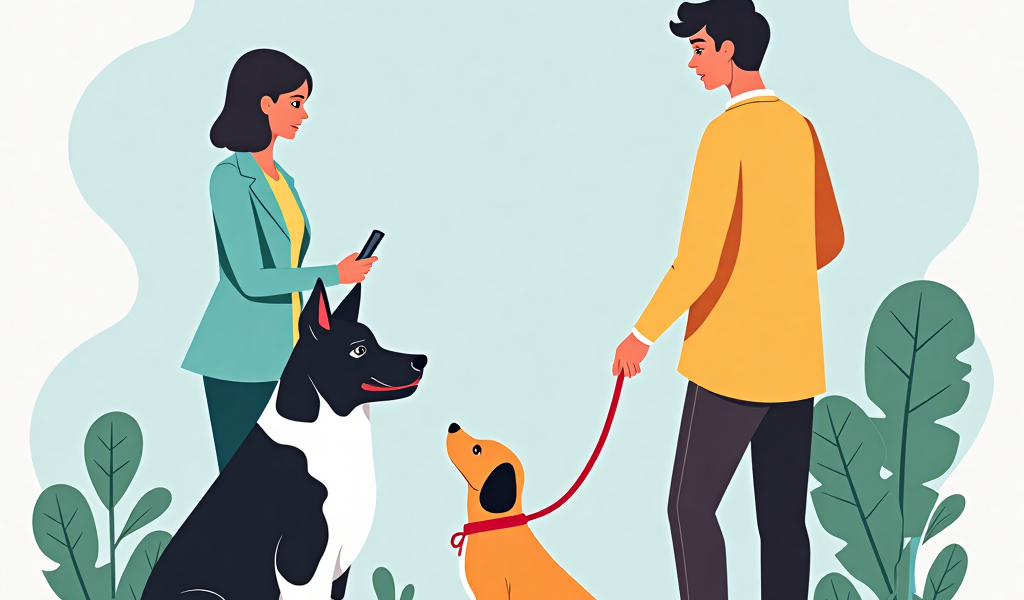
The Paw-fect Guide: How to Introduce Dogs Safely and Successfully
Bringing a new dog into your home or facilitating a meeting between two canine companions is an exciting prospect. However, it’s rarely as simple as just opening the door and letting them figure it out. Done poorly, introductions can lead to stress, fear, and even aggression, potentially souring the relationship from the start. As someone who’s witnessed countless dog interactions over the years, I can confidently say that patience, preparation, and the right approach are paramount to setting the stage for a harmonious friendship. Whether you’re introducing a new puppy to your resident senior dog, bringing home an adult rescue, or arranging a playdate for friends’ pets, understanding canine communication and respecting their boundaries is key. This guide will walk you through the essential steps and considerations for a successful dog introduction.
Think of dog introductions less like a casual “hello” and more like a carefully choreographed dance. Dogs are complex creatures with rich social structures, unique personalities, and distinct communication styles. Rushing the process or ignoring warning signs can lead to misunderstandings that escalate quickly. The goal isn’t just to avoid a fight; it’s to foster a positive association and lay the groundwork for mutual respect and, ideally, companionship. Investing time in a proper introduction saves immense stress and potential heartache down the road, ensuring a smoother transition for everyone involved – dogs and humans alike.
Setting the Stage for Success: Preparation is Key
Before the dogs even lay eyes on each other, your groundwork begins. Successful introductions hinge heavily on the preparation phase. This involves understanding the individual dogs involved, choosing the right environment, and ensuring everyone (humans included) is in the right headspace.
Know Your Dogs
Start by taking an honest assessment of each dog’s temperament, history, and potential triggers. Consider:
- Temperament: Is your resident dog generally easygoing, playful, shy, or assertive? What about the new dog? Understanding their baseline personalities helps predict potential friction points.
- History: Does either dog have a history of aggression towards other dogs? Have they had positive social experiences? Rescue dogs may have unknown or traumatic pasts, requiring extra caution and patience.
- Health & Age: Is either dog unwell, in pain, or particularly elderly? Pain can make even the friendliest dog irritable. Puppies might be overly exuberant, annoying older dogs.
- Resource Guarding: Does your resident dog guard food, toys, beds, or even people? This is a critical factor to manage during introductions and beyond.
If you have serious concerns about aggression or reactivity based on history, consulting a professional certified dog trainer or veterinary behaviorist before attempting introductions is highly recommended. They can provide tailored strategies and safety protocols.
Choosing the Right Location
The environment plays a crucial role. Neutral territory is almost always the best choice for initial dog-to-dog introductions. Why? Because your resident dog views your home and yard as *their* territory. Bringing a new dog into that space can instantly put the resident dog on the defensive. A neutral location removes this territorial pressure.
- Ideal Spots: A quiet park, a large empty parking lot, a friend’s fenced yard (if neither dog has been there before), or even a quiet street corner can work.
- Avoid: Your home, your backyard (initially), busy dog parks (too overwhelming), or anywhere with lots of distractions or confined spaces.
- Leashed Control: Both dogs should be on secure leashes for the initial meeting. Use well-fitting harnesses for better control and to avoid neck strain if they pull.
Pre-Introduction Scent Swapping
Dogs experience the world primarily through their noses. Before a face-to-face meeting, get them accustomed to each other’s scent.
- Swap Bedding/Toys: Exchange blankets or toys that each dog has slept with or played with. Let each dog investigate the item at their own pace in their own safe space. This is like letting them “read” each other’s biography.
- Calm Demeanor: Keep your energy calm and relaxed when handling the scent items. Your dog will pick up on your mood.
This scent familiarity can significantly reduce novelty and potential over-excitement or fear when they finally meet.
The Introduction Process: Step-by-Step
Now comes the moment you’ve prepared for. This phase requires patience, keen observation of body language, and a willingness to go at the dogs’ pace – not yours. Rushing is the enemy of success.
The Parallel Walk
Start with the dogs at a distance where they are aware of each other but not intensely focused, stressed, or lunging. This could be 20, 30, or even 50 feet apart depending on the dogs.
- Walk Side-by-Side: Have each dog handled by a separate person. Walk parallel to each other, maintaining the initial distance. Keep the leashes loose if possible (but be ready to tighten if needed) – tension on the leash can communicate your anxiety to the dog.
- Observe Body Language: Look for signs of curiosity (perked ears, relaxed body, occasional glances), indifference (ignoring the other dog), or stress (stiff posture, fixated staring, growling, lip licking, tucked tail, raised hackles).
- Positive Associations: As you walk, casually drop high-value treats (like small bits of chicken or cheese) for each dog, especially when they glance calmly at the other dog or display relaxed behavior. This builds a positive link.
- Gradually Decrease Distance: If both dogs seem relaxed and curious, gradually (over many minutes, or even multiple sessions) decrease the distance between the parallel walk paths. If at any point you see signs of stress or tension, calmly and without fuss, increase the distance again. This might take one walk or several.
The Controlled Greeting
Once the dogs can walk relatively close (say, 5-10 feet apart) without showing signs of stress or over-arousal, you can attempt a brief, controlled greeting.
- Stop and Sniff: Stop walking. Allow the dogs to approach each other in a controlled manner, still on leash. Keep the leashes loose but be alert. Let them sniff each other – this is how dogs gather information. Focus on the rear end first – this is polite canine etiquette!
- Keep it Brief: Limit this initial sniffing session to just a few seconds. 3-5 seconds is often plenty for a first greeting.
- Calm Separation: Before either dog gets overly excited, tense, or reactive, calmly and gently guide them apart using the leash and a happy voice, praising them for calm behavior. Offer treats.
- Repeat and Lengthen: Repeat this process several times, gradually allowing slightly longer sniffing periods if both dogs remain relaxed and appropriate. Watch body language constantly!
Important: Avoid face-to-face, head-on greetings initially, as this can be perceived as confrontational. Let them approach slightly obliquely.
Moving to the Home Environment
Only once the dogs are consistently calm and positive during greetings in neutral territory should you consider moving the introduction home. This transition needs careful management.
- Resident Dog First: Bring your resident dog inside first. Allow them a few minutes to settle.
- New Dog Enters on Leash: Bring the new dog inside on leash. Keep the initial entry calm. Don’t force interaction.
- Supervised Exploration: Allow the new dog to explore the house on leash, with the resident dog either secured in another room (briefly) or allowed to observe from a distance on leash with their handler. Monitor the resident dog’s comfort level closely.
- Continue Parallel Walks Indoors: You can practice parallel walking inside the house, moving from room to room, before allowing direct interaction.
- Remove High-Value Items: Pick up toys, bones, food bowls, and even favored beds before the new dog enters. Resource guarding is a common trigger.
- First Home Interactions: Keep initial home interactions short, positive, and supervised. Use leashes initially even inside for safety and control. Gradually increase off-leash time only when you are absolutely confident in their positive interactions over multiple sessions.
Troubleshooting Common Challenges
Not all introductions go perfectly smoothly. Being prepared for potential hiccups is part of the process.
Signs of Trouble
Recognizing early warning signs is crucial to prevent escalation:
- Stiff, frozen posture
- Intense, hard staring
- Growling or snarling
- Lip curling (showing teeth)
- Raised hackles (hair along the back)
- Tucked tail or high, stiff tail
- Excessive yawning, lip licking (when not eating/drinking)
- Whale eye (showing the whites of the eyes)
If you see these signs, calmly and immediately create distance between the dogs without yelling or jerking the leash harshly. Redirect their attention with treats or by walking them away. Do not punish growling – it’s a warning signal; suppressing it can lead to a dog biting without warning.
Managing Fear or Over-Excitement
- Fearful Dog: If one dog is very scared, increase the distance significantly. Let the fearful dog observe from afar. Use high-value treats to build positive associations. Never force a scared dog to interact. Progress may be slow; respect their pace.
- Over-Excited Dog (often puppies or adolescents): An overly bouncy dog can annoy or intimidate a calmer dog. Work on basic obedience commands (“sit,” “look at me”) to help the excited dog focus and calm down before greetings. Keep interactions very short initially. Teach impulse control exercises.
When Professional Help is Needed
Seek help immediately if:
- There is any actual fighting (bites, sustained aggression).
- One dog is consistently terrified and unable to relax even at a distance.
- Aggression (growling, lunging, snapping) occurs repeatedly despite careful introductions.
- You feel overwhelmed or unsure about managing the situation safely.
A certified professional (look for credentials like CPDT-KA, IAABC, or DACVB) can assess the dynamics, identify triggers, and create a customized behavior modification plan.
Special Considerations
Different scenarios require slight adjustments to the general introduction protocol.
Introducing a Puppy to an Adult Dog
Puppies are often oblivious to social cues and can be relentless in their play attempts.
- Adult Dog’s Sanity: Prioritize giving your adult dog breaks from the puppy. Use baby gates to create separate spaces.
- Supervise Play: Puppy play can be rough. Intervene if the puppy is pestering the older dog incessantly or if the adult dog corrects the puppy too harshly (though mild corrections are normal and necessary).
- Respect the Elder: Ensure the adult dog has undisturbed access to their food, water, and favorite resting spots. Don’t let the puppy harass them while they eat or sleep.
Introducing Rescue Dogs or Dogs with Unknown Histories
These dogs may have triggers or fears you aren’t aware of.
- Extra Caution: Assume a slower timeline. Use more distance initially.
- Observe Closely: Pay extra attention to body language for subtle signs of discomfort.
- Manage Expectations: They may never be best friends, but peaceful coexistence is a realistic goal. Focus on building trust slowly.
Introducing Multiple Dogs
Adding a new dog to a household with multiple existing dogs adds complexity.
- Introduce One-on-One: Initially introduce the new dog to each resident dog individually in neutral territory, following the standard protocols.
- Group Dynamics: Be mindful of the existing hierarchy among your resident dogs. The new dog will need to find their place, which can cause temporary tension. Supervise all group interactions closely, especially during the initial weeks.
- Resource Management: Be extra vigilant about guarding potential (food, toys, attention, space). Feed separately, provide multiple water bowls and resting areas.
The Path to Peaceful Coexistence
A successful introduction is just the beginning. Building a harmonious multi-dog household or a lasting canine friendship requires ongoing management and reinforcement.
- Continuous Supervision: Never leave new dogs together unsupervised until you are completely confident in their positive relationship over an extended period (weeks or months). Use crates or separate rooms when you’re not there.
- Fair Resource Allocation: Prevent guarding by managing access to high-value items. Feed separately, provide multiple toys and beds.
- Individual Attention: Ensure each dog gets one-on-one time with you for walks, play, and cuddles. This prevents jealousy and reinforces their bond with you.
- Positive Reinforcement: Continue to reward calm, polite interactions between the dogs. Catch them being good!
- Patience is Paramount: Relationships take time to develop. Don’t expect instant best friends. Respect that they may simply learn to tolerate each other peacefully, and that’s okay too.
Conclusion
Introducing dogs is a process that demands respect for canine communication, individual personalities, and the need for patience. Rushing or forcing interactions almost always backfires. By investing time in thorough preparation, choosing neutral territory, utilizing parallel walks and controlled greetings, diligently observing body language, and managing the home environment carefully, you significantly increase the chances of a positive outcome. Remember that setbacks can happen; recognizing warning signs and knowing when to seek professional help is crucial for safety and long-term harmony. Whether your goal is a playful partnership or simply peaceful coexistence, approaching introductions thoughtfully and methodically lays the essential foundation for a stress-free life together for both your furry companions and your family. The effort you put in now will pay dividends in years of happy tail wags and contented snoozes. Good luck!