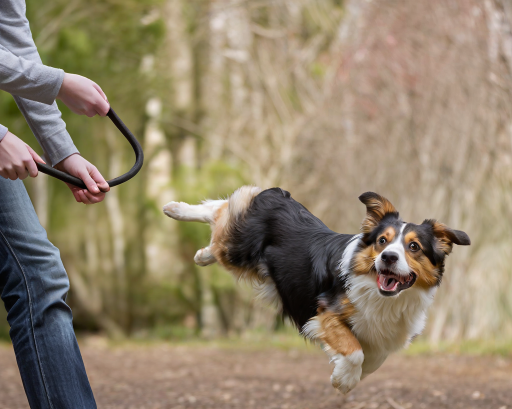
How to Stop Your Dog from Jumping: Effective Training Techniques and Tips for a Well-Behaved Pet
Does your dog jump up on people or furniture, leaving you frustrated and wondering how to stop this behavior? Jumping is a common issue among dogs, but it doesn’t have to be a permanent problem. With the right approach, patience, and consistency, you can train your dog to stop jumping and become a better-behaved companion. This article will guide you through the best methods to address jumping behavior, whether it’s jumping on people, furniture, or other surfaces. Let’s dive into the details and help you create a more harmonious relationship with your furry friend.
Understanding Why Dogs Jump
Before you can effectively stop your dog from jumping, it’s essential to understand why they do it in the first place. Dogs jump for various reasons, including:
- Excitement: Dogs often jump when they’re thrilled to see someone or something, especially if they’ve been confined or are greeting a new person.
- Greeting Behavior: Jumping is a natural way for dogs to express joy and enthusiasm, especially when they’re greeting their owners or other pets.
- Seeking Attention: If your dog jumps to get your attention, they may have learned that this behavior results in you giving them the focus they crave.
- Territorial or Protective Behavior: Some dogs jump when they feel threatened or territorial, especially if they’re guarding something or someone.
- Playfulness: Young dogs and puppies may jump as part of their playful nature, especially if they’re trying to engage in a game or chase.
Understanding the root cause of your dog’s jumping behavior is the first step toward addressing it. Once you identify why your dog is jumping, you can implement the appropriate training techniques to modify the behavior.
Effective Training Techniques to Stop Dog Jumping
1. Positive Reinforcement: Reward Good Behavior
Positive reinforcement is one of the most effective methods for training dogs. This technique involves rewarding your dog when they exhibit desired behavior, such as staying calm or sitting instead of jumping. Dogs are quick learners, and by associating good behavior with positive outcomes, you can encourage them to repeat those actions.
To use positive reinforcement to stop jumping:
- Choose a high-value treat or toy that your dog loves.
- When your dog starts to jump, say “No” or “Off” in a firm but calm tone.
- Immediately turn away and ignore your dog until they calm down.
- Once your dog is calm, reward them with a treat or toy and praise them.
- Repeat this process consistently, and your dog will learn that calm behavior earns rewards, while jumping does not.
Positive reinforcement works best when you’re consistent and patient. Over time, your dog will associate jumping with a lack of attention and treats, making them less likely to engage in the behavior.
2. Teach the ‘Sit’ Command
Teaching your dog to sit is a foundational command that can help reduce jumping behavior. When your dog jumps, redirect their attention to sitting instead. This not only stops the jumping but also reinforces good behavior.
Here’s how to teach your dog the ‘sit’ command:
- Hold a treat above your dog’s head and say “Sit.”
- As your dog looks up at the treat, move it backward slightly, causing them to sit naturally.
- When they sit, say “Good sit” and give them the treat.
- Practice this command in various settings, gradually reducing the use of treats as your dog learns.
- When your dog jumps, say “Sit” and reward them when they comply.
By reinforcing the ‘sit’ command, you’re teaching your dog an alternative behavior to jumping. This method works well for dogs who jump to greet people or seek attention.
3. Redirect Energy with Exercise and Play
Physical and mental stimulation can play a significant role in reducing jumping behavior. Dogs who are underexercised or bored are more likely to exhibit hyperactivity, including jumping. Ensuring your dog gets enough exercise and playtime can help them channel their energy in a positive way.
Here are some tips to redirect your dog’s energy:
- Take your dog for daily walks, runs, or hikes to tire them out physically.
- Play interactive games like fetch or tug-of-war to provide mental stimulation.
- Enroll your dog in obedience classes or agility training to keep their mind active.
- Provide puzzle toys or chew toys to keep your dog occupied when you’re not around.
- Ensure your dog has a designated area to play, such as a fenced yard or a dog park.
A tired dog is less likely to jump, so make sure they’re getting enough exercise. This approach works best for dogs who jump due to excess energy or playfulness.
4. Use a ‘No Jump’ Command
Teaching your dog a specific command to stop jumping can be highly effective. The ‘No Jump’ or ‘Off’ command can help your dog understand that jumping is not acceptable. Here’s how to implement this:
- When your dog jumps, say “No Jump” or “Off” firmly.
- Immediately remove your attention by turning away or ignoring the dog.
- Once your dog stops jumping, reward them with a treat and praise.
- Repeat this process consistently, and your dog will learn to associate the command with stopping the behavior.
- Practice the command in different situations, such as greeting visitors or during playtime.
Consistency is key with this method. Always use the same command and reward system to reinforce the message.
5. Avoid Encouraging Jumping
Unintentionally encouraging jumping can make the problem worse. If your dog jumps and you respond with attention, treats, or even scolding, they may perceive this as positive reinforcement. To avoid this:
- Do not pet, talk to, or make eye contact with your dog while they’re jumping.
- Turn away and ignore your dog until they calm down.
- Only reward your dog when they’re calm and not jumping.
- Teach children and visitors in your home to do the same.
- Be patient and consistent, as it may take time for your dog to understand the new rules.
By avoiding attention when your dog jumps, you’re sending a clear message that jumping is not acceptable. This method works best when combined with positive reinforcement and other training techniques.
6. Use a ‘Leave It’ Command
If your dog jumps on furniture or objects, the ‘Leave It’ command can be a useful tool. This command teaches your dog to stop interacting with something when told, which can help reduce jumping behavior.
Here’s how to teach the ‘Leave It’ command:
- Hold a treat in your hand and say “Leave It.”
- When your dog stops trying to get the treat, reward them with a different treat and praise.
- Practice this command with various objects and situations.
- When your dog jumps on furniture, say “Leave It” and guide them to the floor or a designated spot.
- Consistently reinforce the command to help your dog understand the boundaries.
This method can be particularly effective for dogs who jump on furniture or other objects to get your attention.
Additional Tips for Managing Jumping Behavior
1. Consistency is Key
One of the most important aspects of training your dog to stop jumping is consistency. All family members and visitors should use the same commands and reinforce the same rules. Inconsistent training can confuse your dog and make it harder for them to understand what’s expected.
Make a plan and stick to it. For example, if you decide to use the ‘No Jump’ command, ensure everyone in your household uses it the same way. Consistency will help your dog learn faster and reduce confusion.
2. Socialization and Exposure
Proper socialization can help your dog feel more confident and less anxious in various situations. Dogs who are well-socialized are less likely to jump due to fear or excitement. Expose your dog to different environments, people, and pets to help them build confidence and reduce jumping behavior.
Here are some socialization tips:
- Gradually introduce your dog to new people, places, and situations.
- Use positive reinforcement to reward calm behavior during social interactions.
- Keep training sessions short and positive to avoid overwhelming your dog.
- Be patient and allow your dog to progress at their own pace.
By socializing your dog and exposing them to new experiences, you can help reduce jumping behavior caused by anxiety or excitement.
3. Manage the Environment
Sometimes, environmental factors can contribute to jumping behavior. For example, if your dog jumps on furniture because they’re trying to reach something, it’s important to manage the environment to prevent this. Remove or secure any items that may be tempting your dog to jump.
Additionally, you can create a designated area for your dog where they’re allowed to jump or play. This can help them understand where it’s appropriate to exhibit certain behaviors.
4. Be Patient and Positive
Training your dog to stop jumping takes time and patience. Dogs learn at their own pace, and it’s important to stay positive and encouraging throughout the process. Avoid scolding or punishment, as this can create fear or aggression and make the problem worse.
Instead, focus on rewarding good behavior and redirecting your dog’s attention when they start to jump. Over time, your dog will learn to associate jumping with negative consequences (lack of attention) and calm behavior with positive rewards.
Conclusion
Stopping your dog from jumping requires a combination of understanding the root cause, using effective training techniques, and being consistent and patient. By using positive reinforcement, teaching commands like ‘Sit’ and ‘No Jump,’ redirecting energy through exercise and play, and managing the environment, you can help your dog learn to stop jumping and become a more well-behaved companion.
Remember, every dog is different, and it may take time to find the right approach for your furry friend. Stay consistent, stay positive, and celebrate small victories along the way. With dedication and effort, you can help your dog overcome jumping behavior and build a stronger bond with them.