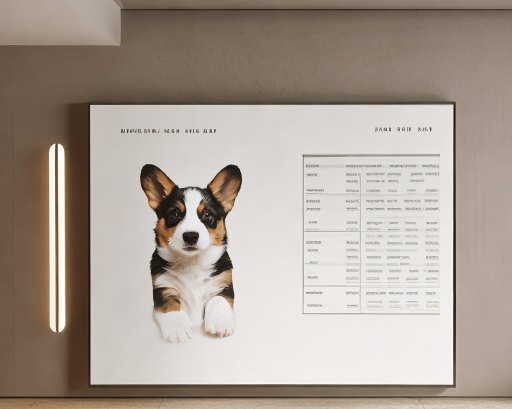
Puppy Schedule by Age: When to Expect Puppies to Do What
Introduction
As a responsible puppy owner, understanding the typical behavior and needs of your furry companion is crucial. Puppies, like all dogs, have distinct development stages that occur at specific times. These stages can be broken down by age, and following a puppy schedule by age helps ensure your dog is healthy, happy, and well-socialized. In this article, we’ll explore the typical schedule of a puppy from birth through the first 12 months and beyond, providing insights into when certain behaviors and tasks are expected. Whether you’re a first-time puppy owner or looking to optimize your current pup’s life, this guide will be your go-to resource.
What’s the Typical Puppy Schedule by Age?
1. Puppy Schedule by Age: First 3 Months
The first 3 months of a puppy’s life are the most crucial for physical, social, and developmental growth. During this time, your puppy will go through rapid changes, both physically and behaviorally. Understanding the puppy schedule by age for the first 3 months is essential for proper care and training.
- Birth to 1 Month: The first month is all about survival and basic skills. Puppies will learn to suckle, eliminate in safe places, and begin to understand their environment.
- 1 to 3 Months: This period marks significant physical and behavioral milestones. Puppies will start rolling over, learning to walk on all fours, and developing basic commands like “sit” and “stay.”
During this time, it’s important to ensure your puppy has access to a safe, enclosed space for play and exercise. Avoid rough play or environments that could be harmful to your puppy’s developing body.
2. Puppy Schedule by Age: Ages 4 to 6 Months
At 4 months old, your puppy is starting to become more independent and curious. They’ll begin to explore their environment more actively and develop a stronger sense of self. By 6 months, they’ll have made significant progress in their social skills and will be more comfortable around people and other dogs.
- 4 to 5 Months: Puppies at this age are starting to understand basic commands and will begin to play more independently. They’ll also start to show interest in grooming and may even start to shed their fur slightly.
- 6 Months: This is a time of big milestones, including the completion of their second set of teeth and the development of more advanced social skills. Puppies at 6 months are also more active and will enjoy longer walks and play sessions.
Owners should continue to provide consistent stimulation and enrichment during this time, such as toys, walks, and socialization opportunities. This will help your puppy continue to develop in a healthy and balanced way.
3. Puppy Schedule by Age: Ages 7 to 9 Months
As your puppy grows into their third year, they’ll begin to take on more responsibilities. This is a time when they’ll start to solidify their understanding of the world around them and develop more complex social interactions.
- 7 to 8 Months: Puppies at this age are starting to become more independent and will begin to explore their environment with greater confidence. They’ll also start to develop a better understanding of their place in the family unit and may begin to show interest in family members’ activities.
- 9 Months: This is a time of significant growth and development, with puppies completing their second set of teeth and developing a stronger sense of identity. They’ll also be more active and may even start to explore more advanced tasks, such as retrieving small objects.
Owners should continue to provide enrichment and opportunities for play, while also ensuring their puppy has access to a safe space to rest and relax. This will help them continue to thrive and remain happy and healthy.
Why is a Puppy Schedule by Age Important?
Creating and following a puppy schedule by age ensures that your dog receives consistent care and attention. By understanding when certain behaviors and tasks are expected, you can create a routine that promotes healthy development and reduces stress for both you and your puppy. Additionally, a puppy schedule by age helps you identify and address any potential issues before they become major problems.
For example, if you notice your puppy is struggling to learn a basic command, it may be a sign of an underlying issue. By adhering to a puppy schedule by age, you can identify when these challenges may arise and take steps to address them promptly. This proactive approach to puppy care can help ensure your dog remains healthy and happy throughout their early years.
Conclusion
Understanding the typical puppy schedule by age is an essential part of responsible puppy ownership. By following a consistent routine that aligns with your puppy’s developmental milestones, you can create a safe, healthy, and happy living environment for both you and your furry companion. Whether you’re a first-time puppy owner or looking to optimize your current pup’s life, taking the time to learn about the puppy schedule by age will pay dividends in the long run. Remember, consistency is key—stick to your plan, and enjoy the journey of raising a healthy, happy puppy together!