Beyond the Loop: The Ultimate Guide to Belt Styling Tips
Beyond the Loop: The Ultimate Guide to Belt Styling Tips
In the vast universe of fashion accessories, few items are as simultaneously functional and transformative as the humble belt. For many, it’s a mere afterthought—a utilitarian device to keep trousers aloft. Yet, for the style-savvy, a belt is a secret weapon. It’s the defining line in an outfit’s composition, a punctuation mark that can alter the entire rhythm of your look. With over a decade of observing and writing about style evolutions, I can confidently say that mastering belt styling is one of the quickest ways to elevate your personal aesthetic from ordinary to exceptional. This article is your comprehensive guide to moving beyond simply wearing a belt to truly styling with one.
The Foundation: Understanding Belt Types and Proportions
Before you can style a belt effectively, you need to know what you’re working with. Not all belts are created equal, and understanding their inherent characteristics is the first step to wielding them with confidence. The width, material, buckle style, and color all send distinct messages and serve different purposes in your wardrobe arsenal.
Decoding Width and Material
The width of a belt is its most noticeable feature. A general rule of thumb is that the belt should be proportional to your body frame and the scale of your clothing’s details. Skinny belts (1/4″ to 3/4″) are delicate and feminine. They are perfect for defining the waist of a flowy dress, cinching a blazer, or adding a subtle accent to high-waisted trousers without overwhelming the look. Standard belts (1″ to 1.5″) are your workhorses. This is the classic width for jeans, chinos, and suit trousers. It’s versatile, balanced, and universally flattering. Wide belts (1.75″ and above) are dramatic and statement-making. They excel at creating a powerful waist-cinching effect, perfect for transforming shapeless tunics or coats into hourglass silhouettes.
Material dictates the belt’s formality and texture. Full-grain leather belts in black or brown are wardrobe essentials for a polished, timeless look. Woven fabrics, canvas, or braided leather offer a more casual, textured vibe ideal for weekends. Metallics or embellished belts are your go-to for evening wear and high-fashion statements.
The Buckle: The Focal Point
Never underestimate the power of the buckle. A sleek, minimal buckle on a leather belt ensures a seamless, professional appearance—crucial for business attire where the belt should complement, not distract. A statement buckle, whether oversized, engraved, or in an unusual shape, becomes the focal point of your outfit. Let the buckle shine by keeping the rest of your look relatively simple. For a truly modern and clean look, explore belts with hidden or side-release buckles that offer an uninterrupted line.
Strategic Styling: Practical Tips for Every Occasion
Now that you know your tools, let’s apply them. Belt styling is about intentionality. It’s about using this accessory to solve style “problems,” create visual interest, and express your personal style. Here are practical, situation-based strategies.
1. Creating Shape and Defining Your Waist
This is the belt’s superpower. For dresses, tunics, or oversized shirts that lack structure, adding a belt instantly creates a flattering silhouette.
- With Dresses: For sheath or shift dresses, a skinny belt in a contrasting color adds a pop without bulk. For flowy maxi or shirt dresses, a medium to wide belt placed at your natural waist (or even higher) creates a dramatic hourglass effect.
- With Outerwear: Don’t just belt your coats—belt your blazers and cardigans too. A belt over a long-line blazer transforms it into a dress-like piece. It adds polish and a tailored touch that looks incredibly chic.
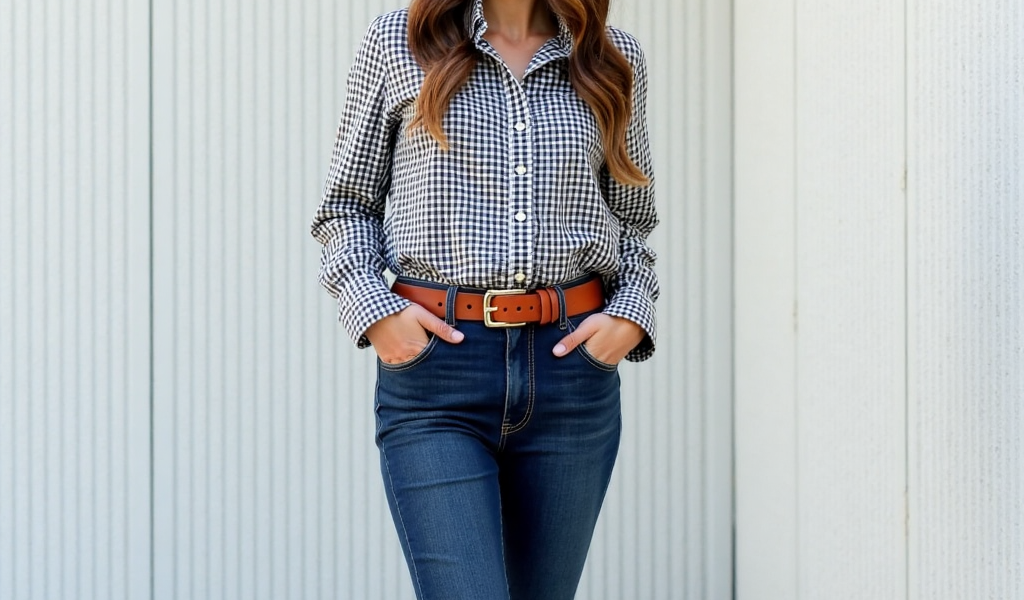
- The “Third Piece” Rule: When wearing a simple top and bottom combo (like a tee and jeans), adding a belt as your “third piece” adds a complete, styled feel. It breaks up the block of color and adds a focal point.
2. Playing with Proportions and Layering
Belts are fantastic for manipulating how an outfit is perceived. Use a belt to create high-waisted illusions, shorten a long torso, or add structure to layered looks.
- High-Waisted Magic: Tuck your top into your bottoms and secure with a belt. This creates a clean, elongated leg line and a neat, put-together appearance.
- Layered Looks: In cooler months, belts can anchor and organize multiple layers. Try belting a sweater over a dress, or a coat over a bulky knit. It prevents the outfit from looking bulky and adds intentional shape.
- Over Clothing: For a high-fashion touch, try belting the *outside* of a jacket or coat. This works especially well with tailored wool coats, adding a new dimension to a classic piece.
3. The Formality Scale: From Casual to Black-Tie
Matching your belt to the occasion is key to looking appropriate and sharp.
- Casual & Weekend: Here, anything goes. Canvas belts, braided leather, woven styles, and even vintage finds are perfect. Pair with denim, shorts, and relaxed trousers. Don’t be afraid of color and texture.
- Business & Smart Casual: Stick to classic leather belts in black, brown, or tan. The buckle should be understated. A critical rule: your belt color should generally match your shoe color. This creates a cohesive, elongated line and is a hallmark of considered dressing.
- Formal & Evening: This is where you can embrace luxury. Thin, elegant leather belts, satin sashes, or belts with tasteful metallic accents or jeweled buckles are ideal. For tuxedos, a classic cummerbund or a sleek black waistcoat is traditional, but a slim black satin belt can be a modern alternative for women’s evening suits or gowns.
Advanced Maneuvers and Common Pitfalls to Avoid
To truly master belt styling, consider these nuanced tips and steer clear of classic errors.
Color and Contrast Mastery
While matching leathers is a safe rule, don’t be a slave to it. A cognac brown belt can look stunning with black for a high-contrast, modern look. A pop of color (a red belt with neutrals, for example) can be a signature styling move. For print mixing, choose a belt color that pulls from one of the secondary colors in your patterned dress or pants.
Fit is Everything
A belt that is too long or too short ruins the effect. The golden rule: your belt should fasten on the middle hole, giving you room to adjust for different layers or minor weight fluctuations. The tail end of a leather belt should extend just past the first belt loop (2-4 inches), not hang down to your thigh.
Pitfalls to Sidestep
- Avoiding the “Cut-in-Half” Effect: If you have a shorter torso, be cautious with very wide belts, as they can visually shorten you further. Opt for medium-width styles.
- Belt Loops are a Guide, Not a Law: Feel free to belt dresses, tunics, and coats that don’t have loops. That’s where the magic often happens.
- Over-Accessorizing: If your belt is a major statement piece with a large buckle or embellishments, keep other jewelry—especially around the waist—minimal. Let the belt have its moment.
Conclusion: Your Waist, Your Canvas
Ultimately, belt styling is an exercise in creative expression and intentional design. It’s about more than holding up your pants; it’s about claiming your silhouette, adding a focal point, and injecting personality into any ensemble. Start by investing in a few quality staples—a classic black leather belt, a versatile brown one, and a fun statement piece. Then, experiment. Try belting the unexpected. Play with proportions. Observe how a simple strip of leather or fabric can completely redirect the narrative of your outfit. Remember, in the language of style, the belt is a powerful declarative sentence. Use it to make a statement that is uniquely, confidently yours.