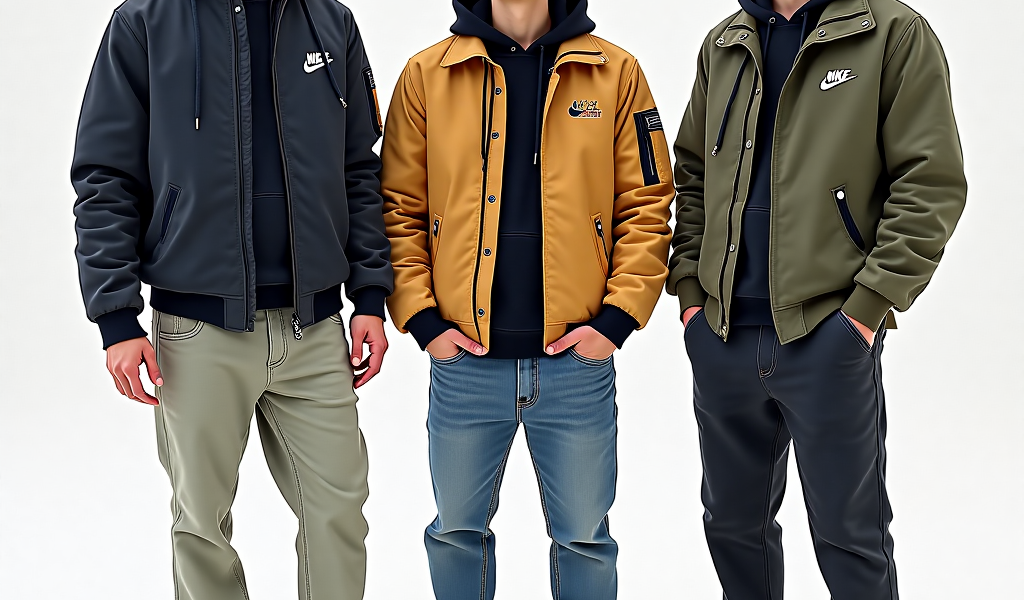
From Sidewalk to Spotlight: The Definitive Guide to Crafting Iconic Streetwear Looks
From Sidewalk to Spotlight: The Definitive Guide to Crafting Iconic Streetwear Looks
For over a decade, streetwear has evolved from an underground subculture into the dominant force in global fashion. It’s more than just clothing; it’s a visual language of identity, attitude, and self-expression rooted in the energy of urban environments. Moving beyond its origins in skate, surf, and hip-hop scenes, streetwear today is a sophisticated blend of high and low, luxury and utility, vintage and avant-garde. Crafting a compelling streetwear look isn’t about buying a single brand—it’s about understanding a philosophy and building a versatile wardrobe that speaks to authenticity. This guide will walk you through the essential elements, key styles, and styling tricks to master the art of streetwear.
The Pillars of Every Streetwear Wardrobe
Before diving into specific looks, you need a solid foundation. These core items are the building blocks, the pieces you’ll mix, match, and layer endlessly. Investing in quality staples ensures longevity and versatility, allowing you to adapt to trends without starting from scratch each season.
The Non-Negotiable Staples
Every streetwear enthusiast’s closet rests on these essentials. They are typically neutral in color—black, white, grey, navy, olive—to maximize their pairing potential.
- The Perfect Hoodie: A heavyweight, slightly oversized cotton hoodie is the heartbeat of streetwear. Look for a classic pullover or zip-up with a sturdy drawstring and a structured hood.
- Graphic Tees: This is where you tell your story. From band logos and vintage cartoons to abstract art and minimalist branding, your tee is a statement piece. Quality matters—a good tee should have a substantial feel and retain its shape.
- Versatile Jackets: A denim trucker jacket, a utilitarian cargo jacket, a classic varsity bomber, or a sleek coach’s jacket. These add immediate layers and texture to any outfit.
- Essential Footwear: Sneakers are the cornerstone. Start with a clean, classic white sneaker (like an Air Force 1 or a Stan Smith), a chunky silhouette, and a reliable pair of skate shoes (think Vans Old Skool or Converse Chuck 70s).
- Bottoms Basics: A well-fitting pair of black or dark wash jeans (slim or straight, never too tight), relaxed cargo pants, and tailored joggers in a non-athletic fabric are crucial.
The Power of Accessories
Accessories are the punctuation marks of your outfit. They can transform a simple look into something curated and intentional.
- Headwear: A curved-brim baseball cap (often worn slightly off-center), a beanie, or a bucket hat can instantly add attitude.
Bags: Function meets fashion with crossbody bags, fanny packs worn across the chest, or a utilitarian backpack.
Socks: Don’t overlook them! Logo socks, contrasting colors, or knee-highs peeking over boots are key details.
Jewelry: Layered chains, statement rings, and bold bracelets add a personal, often customizable, touch of metal.
Deconstructing Key Streetwear Styles
Streetwear isn’t a monolith. Several distinct aesthetics fall under its umbrella. Understanding these styles allows you to identify what resonates with you and mix elements to create your own unique blend.
1. The Minimalist / Elevated Basics
This style focuses on impeccable fit, luxurious fabrics, and a monochromatic or neutral palette. Think Japanese and Scandinavian influences. It’s about looking polished without trying too hard. The emphasis is on silhouette and texture rather than logos.
Key Pieces: Oversized wool coats, tailored trousers, premium knitwear, minimalist sneakers (like Common Projects or Axel Arigato), and unstructured blazers. The look is clean, intentional, and revolves around the principle of “quiet luxury” within a streetwear context.
2. The Heritage & Workwear Revival
Rooted in durability and function, this style draws from mid-20th century American workwear, military surplus, and outdoor gear. It’s about pieces built to last that develop a unique character over time.
Key Pieces: Carhartt-style chore coats, heavyweight flannel shirts, raw denim jeans, engineer boots, canvas overalls, and utility vests. The color palette leans into earth tones: brown, tan, olive, and indigo. Layering is functional and textural.
3. The High-Low Luxe Mix
This is where streetwear’s collision with high fashion is most evident. It’s about pairing an exclusive, high-end designer piece (like a logo-emblazoned hoodie or sneakers) with accessible, everyday basics. The contrast is the entire point.
Key Pieces: Statement sneakers from brands like Jordan, Yeezy, or Balenciaga, paired with vintage jeans and a simple tee. A luxury bag or accessory contrasted with a streetwear-brand hoodie. It’s a confident, knowing style that plays with perceived value.
4. The Techwear / Futuristic Edge
Inspired by cyberpunk and performance wear, techwear prioritizes technical fabrics, waterproofing, modularity, and a sleek, often all-black, aesthetic. It’s streetwear for an imagined (or very rainy) future.
Key Pieces: Waterproof shell jackets with multiple zippers, articulated cargo pants, modular bags with MOLLE systems, and sneaker-boot hybrids from brands like Acronym or Nike ACG. Function is paramount, creating a look that is both intimidating and incredibly practical.
Pro Styling Tips to Elevate Your Look
With the staples and styles in mind, how do you put it all together? It’s in the execution. These advanced tips will help you move from wearing clothes to crafting a look.
Master the Art of Layering
Layering is the number one skill in streetwear. It adds depth, dimension, and adaptability. Don’t just pile on clothes; think about lengths, textures, and proportions. Try a long-line tee under a shorter hoodie, with an open flannel or jacket over the top. Play with a collar popping out over a crewneck. The goal is to look considered, not bundled up.
Play with Proportion and Fit
The “oversized” trend is a cornerstone, but it’s not about drowning in fabric. It’s about intentional imbalance. Pair an oversized top with more tailored bottoms (like baggy hoodie with slim jeans). Or, go for loose pants with a more fitted tee and jacket. This creates a dynamic, eye-catching silhouette that feels modern and comfortable.
Embrace Vintage and Thrift
Authenticity is currency. Incorporating genuine vintage or thrifted pieces—a 90s band tee, a worn-in leather jacket, a unique pair of denim—adds a story and a uniqueness that brand-new items often lack. It prevents your look from feeling like a head-to-toe mannequin display from a single store.
Confidence is the Ultimate Accessory
This cannot be overstated. Streetwear is an attitude. Wear the clothes; don’t let them wear you. The best-dressed individuals carry their looks with a sense of ease and self-assurance. If you feel good in what you’re wearing, it will show. Don’t be afraid to break “rules” and personalize your style.
Conclusion: Building Your Own Lane
The journey to mastering streetwear looks is ultimately a personal one. It’s a continuous process of discovery, experimentation, and refinement. Start with the foundational staples, explore the different style subgenres to see what sparks your interest, and then begin to incorporate pieces that speak to you. Remember, the most iconic streetwear looks throughout history have always been those that reflected the individual’s personality and context. Use the guidelines not as a rigid rulebook, but as a vocabulary to write your own style story. In the end, the perfect streetwear look isn’t the one that follows every trend—it’s the one that feels authentically, undeniably you.